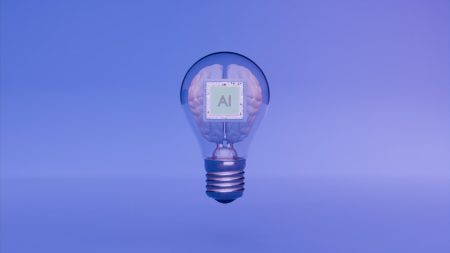
Artificial intelligence is poised to redefine content creation across all media, from filmmaking to journalism, threatening widespread disruption but also promising innovation. Experts like Charles Ferguson from Project Syndicate warn of profound social and economic shifts as AI reshapes the landscape.
This imminent shift extends beyond Hollywood, reaching advertising, novels, music, and significantly, traditional news outlets. The transformation, starting very soon, will simultaneously be horrific, wonderful, depressing, and exciting, bringing both creative and plain destruction.
Recent advancements in generative AI tools are already demonstrating capabilities that challenge established workflows. These technologies create text, images, and audio with unprecedented speed, pushing industries to adapt or risk obsolescence.
The AI takeover of creative industries
The filmmaking industry is experiencing significant upheaval, as AI tools assist in scriptwriting, visual effects, and even generating entire scenes. This drastically reduces production costs and timelines, democratizing access but also displacing traditional roles.
Fiction writing and commercial photography face similar reckonings. AI can generate compelling narratives and photorealistic images, impacting authors and photographers. A 2024 study published in the Journal of Digital Media highlights a 30% increase in AI-generated commercial content in the past year alone.
Music composition and radio broadcasting are not immune. AI algorithms can create original scores, mimic artist styles, and automate playlist generation. This raises complex questions about intellectual property and the future of human creativity in these fields.
The World Economic Forum’s Future of Jobs Report 2024 projects significant job displacement in creative sectors. However, it also points to the emergence of new roles focused on AI supervision, prompt engineering, and ethical AI development.
Journalism and the future of news
Perhaps most ominously, journalism and legacy news outlets face a similar reckoning, as Ferguson noted. AI is rapidly transforming how news is gathered, written, and disseminated, posing both opportunities for efficiency and serious threats to trust.
AI-powered tools can automate routine reporting, summarize lengthy documents, and personalize news feeds for individual readers. This allows journalists to focus on in-depth investigations and analysis, enhancing the quality of complex stories.
However, the rise of AI in newsrooms also brings challenges. The Reuters Institute for the Study of Journalism’s 2025 report indicated a growing concern about deepfakes and AI-generated misinformation. Ensuring editorial oversight becomes paramount.
Dr. Eleanor Vance, a media ethics professor at the University of Columbia, states: “The integrity of information hinges on transparent AI use. News organizations must clearly label AI-generated content and maintain robust human editorial control.”
The economic models of news organizations are also under pressure. As AI generates more content, the value of human-produced journalism could diminish, impacting revenue streams and the sustainability of independent reporting.
The AI takeover of all media is not a distant threat but a rapidly unfolding reality, presenting a dual-edged sword. While it offers unprecedented tools for creativity and efficiency, it also demands rigorous ethical frameworks and proactive policy-making.
Navigating this complex landscape requires media professionals to embrace new skills, policymakers to establish clear regulations, and society to foster critical media literacy. The future of information and art depends on how thoughtfully humanity manages this profound technological revolution.