The authoritarian illusion, a pervasive belief that strongman rule offers superior efficiency and stability, has resurfaced in global discourse. While democracies grapple with internal debates and perceived slowness, authoritarian regimes promise swift decisions and unwavering order. Yet, history repeatedly demonstrates that this apparent strength often masks fundamental weaknesses in long-term governance and accountability, challenging conventional wisdom.
This isn’t a new phenomenon. Throughout the past century and a half, liberal democracy has faced declarations of its demise, from the rise of fascist regimes in the 1930s to the rapid economic growth attributed to state capitalism in the late 20th century, particularly with the ‘Four Asian Tigers’ and China. Today, a new wave of authoritarian leaders, seemingly capable of decisive action, further fuels this narrative globally.
However, as Jacques Attali insightfully notes in a recent commentary for Project Syndicate from January 2026, democracy is remarkably resilient, constantly adapting and returning in various forms. What often appears as a weakness – the inherent debate and uncertainty – might actually be its greatest strength, fostering accountability and preventing the blind spots that often plague autocratic systems.
The flawed premise of authoritarian efficiency
The allure of quick decisions under authoritarian rule frequently overshadows the critical need for robust feedback mechanisms. Without public debate, independent media, and democratic checks and balances, leaders can become isolated, making decisions based on limited information or personal biases. This lack of accountability can lead to catastrophic missteps, as seen in historical instances of economic mismanagement or social unrest suppressed rather than addressed.
Economists and political scientists frequently highlight how transparency and institutional accountability are crucial for sustainable economic development and governance. A study published by the National Bureau of Economic Research, for example, suggests that countries with stronger democratic institutions tend to exhibit greater long-term economic stability and lower levels of corruption, despite periods of perceived inefficiency.
The very ‘order and continuity’ promised by authoritarian regimes can paradoxically lead to stagnation. Innovation, adapting to complex global challenges, and ensuring equitable growth often require the dynamic exchange of ideas and the capacity for self-correction inherent in democratic processes. Suppressing dissent, in this context, effectively stifles progress and critical adaptation.
Democracy’s enduring strength: accountability and adaptation
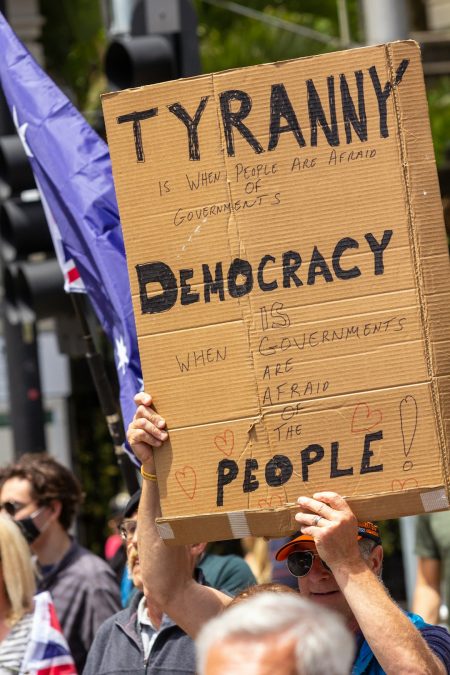
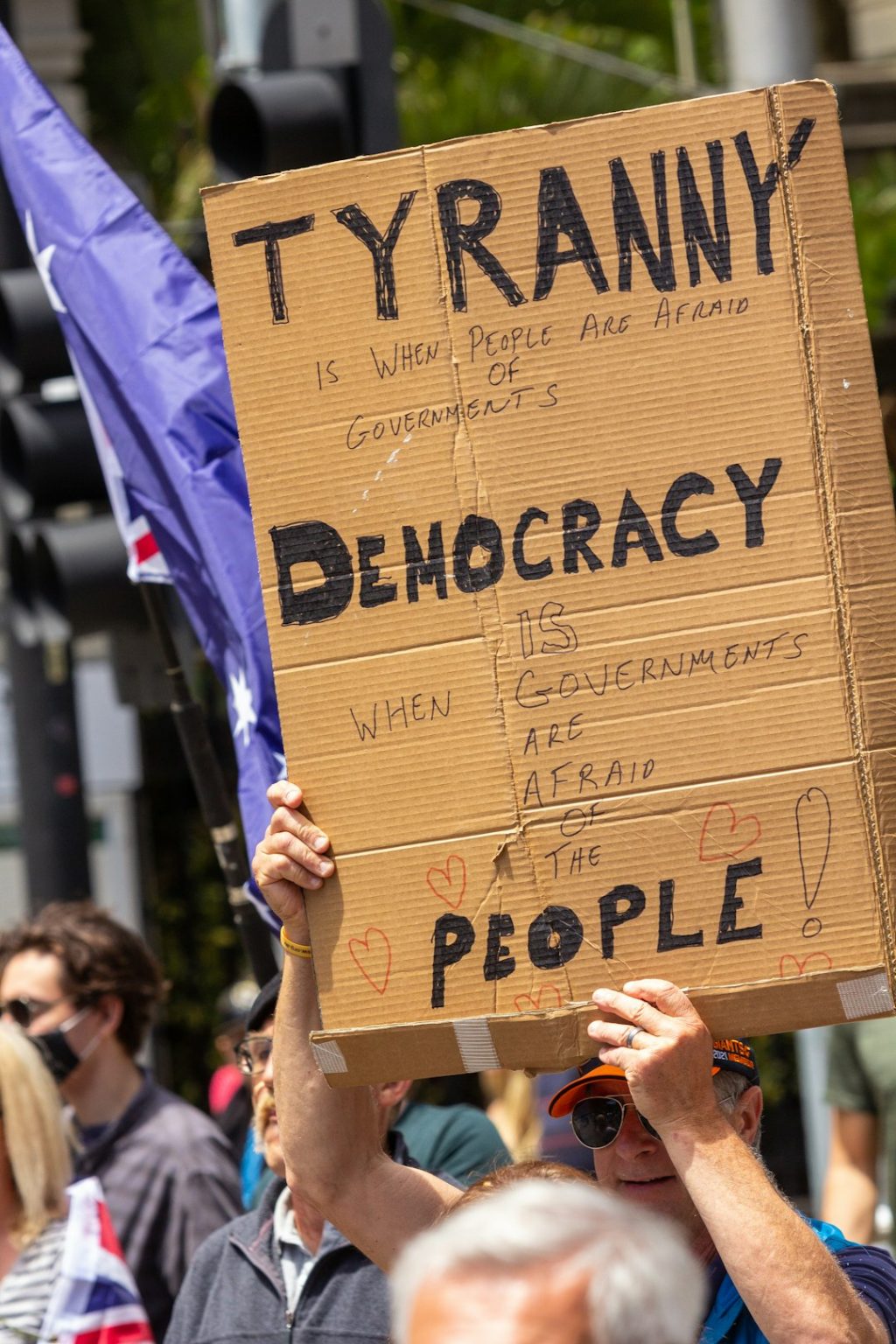
While the path of democracy can be messy and slow, its built-in mechanisms for accountability offer a crucial advantage. Citizens can hold leaders responsible through elections, protests, and a free press, forcing course corrections and preventing prolonged periods of misgovernance. This iterative process, though sometimes frustrating, ensures a responsiveness that authoritarian systems inherently lack, offering genuine stability.
The ability of democracies to adapt to new challenges, whether economic crises or social shifts, stems from their capacity for open discourse and policy adjustments. Unlike rigid authoritarian structures that struggle with internal criticism, democratic societies can debate, compromise, and evolve. This flexibility is a powerful bulwark against systemic collapse and fosters long-term societal health.
Data from organizations like the World Bank’s development reports frequently correlate good governance indicators, which include democratic participation and rule of law, with better societal outcomes over decades. This suggests that the perceived ‘weakness’ of democracy is, in reality, a fundamental component of its long-term resilience and effectiveness, transcending short-term appeals.
Ultimately, the authoritarian illusion persists because it appeals to a desire for simple solutions in complex times. However, the historical record and contemporary challenges reveal that true strength lies not in unchallenged authority, but in the robust, if sometimes arduous, processes of democratic governance. As global complexities intensify, the capacity for self-correction, open debate, and accountability will only become more vital for societies seeking genuine stability and progress.