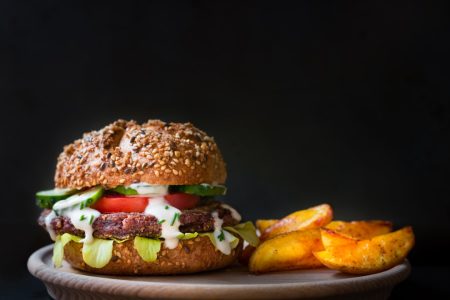

That pervasive guilt many feel when their meal arrives first at a restaurant or dinner party? It is largely self-imposed, and dining companions likely care far less than anticipated. This insight comes from recent research, as reported by ScienceDaily in early 2026, which explored the psychological dynamics behind this common awkward dinner rule.
The study suggests that while waiting to eat might feel like the epitome of politeness, the discomfort it generates in the person served first often outweighs any perceived social benefit. This phenomenon, dubbed the “self-other gap,” indicates a significant mismatch between one’s own feelings about breaking the rule and what others actually expect or feel if the rule is broken. Understanding this dynamic could transform how we approach social dining, making meals genuinely more enjoyable for everyone.
The implications extend beyond individual feelings, influencing restaurant service and even the design of social gatherings. If the core discomfort stems from an internal perception rather than external judgment, then re-evaluating this long-standing etiquette could lead to more relaxed and satisfying culinary experiences. It challenges a fundamental aspect of social dining etiquette that many have accepted without question for decades.
Why waiting to eat feels so uncomfortable
The research, co-authored by Professor Irene Scopelliti and Professor Janina Steinmetz from Bayes Business School, along with Dr. Anna Paley from the Tilburg School of Economics and Management, delved into the intricacies of this social dilemma. Their work, detailed in a study involving six experiments, examined how individuals judge their own behavior compared to their expectations of others at the dinner table. Participants imagined scenarios where they either received their food first or waited for a companion.
The findings revealed a striking self-other gap: individuals who imagined being served first felt a much stronger obligation to wait than their dining partners expected them to feel. This internal pressure persisted even when explicit prompts were given, such as being told by the companion to go ahead and eat. Professor Steinmetz noted that this decision of when to start eating is a very common dilemma, where “norm adherence dictates that we wait until all food is served before starting, and disregarding it feels rude and discourteous to us.”
The experiments showed that people anticipate feeling better about waiting and worse about starting to eat than they believe others would feel in the same situation. This misjudgment often leads to food cooling down, potentially diminishing the quality and enjoyment of the meal. The researchers suggest that restaurants could significantly reduce this mealtime discomfort by striving to serve all guests at the same time, thereby eliminating the awkward dinner rule scenario altogether.
The psychology behind mealtime social norms
Professor Scopelliti emphasized that this isn’t merely about politeness; it’s rooted in psychological access. “We can feel our own internal discomfort, guilt, and the positive feelings from appearing considerate, but we can’t fully access what others are experiencing internally,” she explained. This means our perception of others’ potential judgment is often inflated, driven by our own internal emotional landscape rather than a realistic assessment of their feelings.
This psychological asymmetry explains why many people offer others permission to start eating but struggle to do so themselves. The internal conflict between appearing considerate and the desire to enjoy food at its optimal temperature creates genuine social discomfort. It highlights how deeply ingrained social norms can influence behavior, even when those norms are based on a misunderstanding of others’ perspectives. Being aware that the discomfort is largely self-generated can empower individuals to make choices that prioritize their enjoyment without genuinely offending others.
Ultimately, the study encourages a reevaluation of this particular social norm. While politeness is valued, understanding its psychological underpinnings can lead to more relaxed and authentic social interactions. By challenging the assumption that waiting is always the most polite option, we can foster dining environments where enjoyment takes precedence, reducing unnecessary stress and enhancing the shared experience.
The research provides valuable insights for both diners and the hospitality industry. By recognizing the self-imposed nature of this specific awkward dinner rule, individuals can feel more at ease starting their meal when served first, especially if explicitly invited. Restaurants, in turn, can improve customer satisfaction by minimizing staggered food delivery, ensuring that the shared meal experience is as comfortable and enjoyable as possible for everyone at the table.