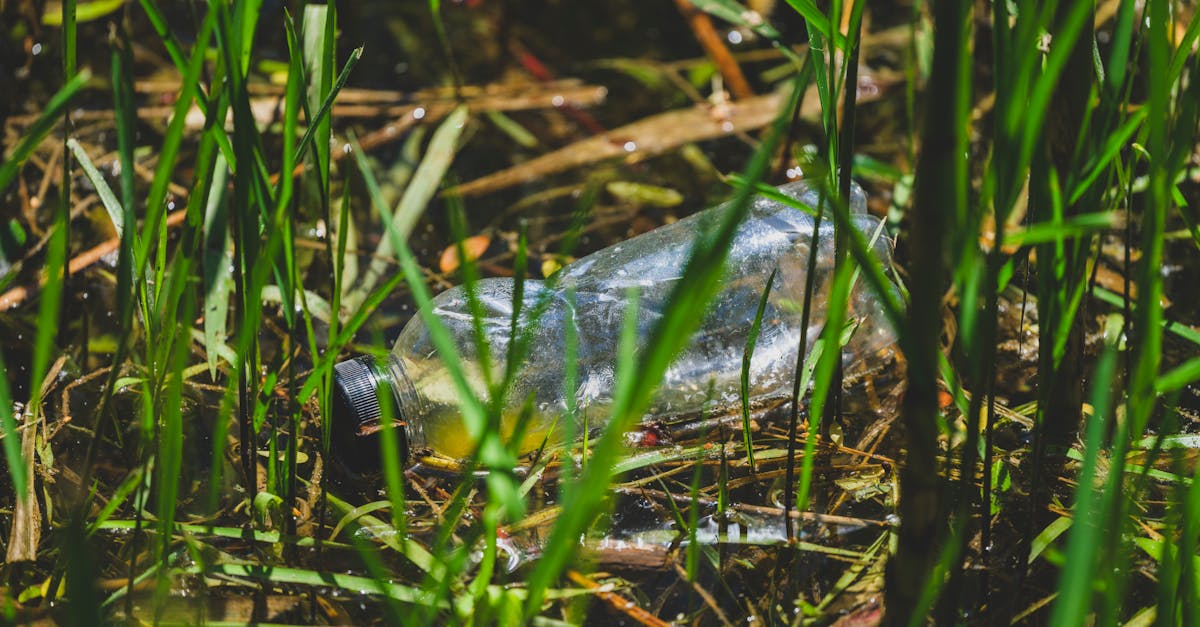
A recent study conducted by Washington State University researchers in Guatemala challenges long-held beliefs about drinking water safety, revealing that the bottled water many trust implicitly may harbor significant health risks. Published in the Journal of Water and Health on January 23, 2026, the findings indicate widespread bacterial contamination in refillable bottled water jugs, a primary source for many households.
This unexpected discovery, particularly prevalent in Guatemala’s Western Highlands, highlights a critical disconnect between public perception and actual water quality. While residents often consider bottled water the safest option, laboratory tests showed it was frequently contaminated with harmful bacteria, including coliforms, which indicate fecal presence. This issue extends beyond immediate illness, contributing to the global threat of antimicrobial resistance.
Unsafe drinking water remains a pressing global concern, affecting over 4 billion people worldwide and causing millions of diarrheal illnesses annually, especially in children. Understanding public trust in water sources is vital, as Dr. Brooke Ramay, lead author and assistant research professor at WSU, notes: “When people believe their water is safe, they don’t take extra precautions, but when they see a risk, they change their behavior.” This research underscores the importance of aligning perception with scientific reality.
The hidden dangers of bottled water contamination
Despite its trusted status, bottled water samples were six times more likely to test positive for coliform bacteria than other sources, with only 17% meeting World Health Organization (WHO) safety standards. The study, detailed on ScienceDaily, points to post-bottling practices as the main culprit. Dr. Ramay explains that improper storage and infrequent cleaning of dispensers create ideal conditions for bacterial growth.
Researchers surveyed 60 households, collecting water from various sources including bottled, piped, well, spring, and filtered. The samples were analyzed for coliform bacteria, Escherichia coli (E. coli), and antibiotic-resistant organisms like extended-spectrum beta-lactamase-producing (ESBL) and carbapenem-resistant Enterobacterales (CRE). The presence of these organisms, even if not immediately causing illness, significantly contributes to the spread of antibiotic resistance.
Rethinking water safety: Identifying truly secure sources
In stark contrast to bottled water, protected municipal wells showed the lowest contamination levels. These sealed, chlorinated community wells had no detectable coliform, E. coli, ESBL, or CRE bacteria, despite being ranked lower in perceived safety by residents. This finding suggests a need to re-evaluate what truly constitutes a safe drinking water source. However, even municipal water showed increased contamination once piped into homes, with over 65% of household samples containing coliform bacteria.
The study emphasizes that cultural beliefs profoundly impact water consumption habits. People confident in their water source are less inclined to boil or treat it, and those relying on bottled water often neglect cleaning dispensers. This behavior, driven by misplaced trust, inadvertently perpetuates the risk of exposure to harmful pathogens. Public health initiatives must bridge this gap between perception and scientific evidence to ensure genuine water safety for communities.
The findings from Guatemala serve as a crucial reminder that trust alone does not guarantee water safety. As global efforts continue to improve access to clean water, understanding the nuances of contamination pathways and public perception will be paramount. Future interventions must focus not only on source protection and treatment but also on educating communities to foster behaviors that truly safeguard health against unseen microbial threats.