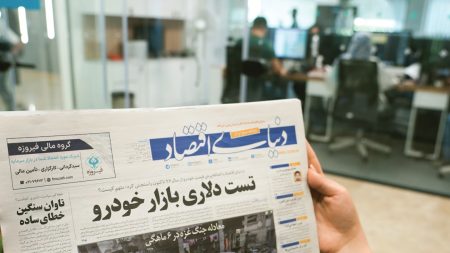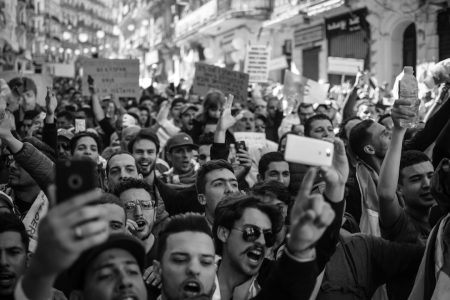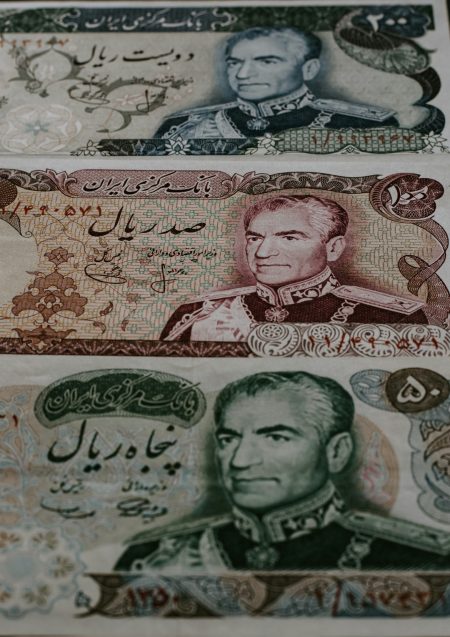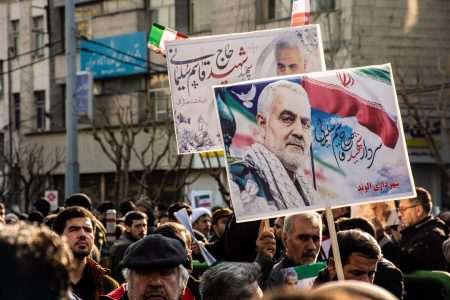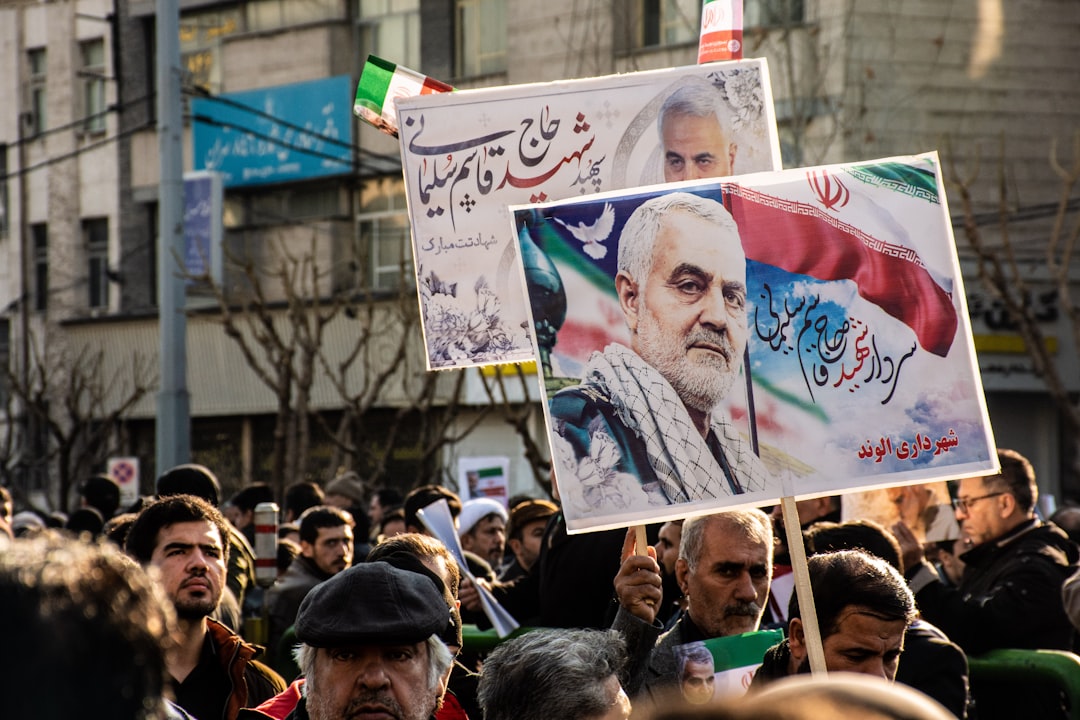
Widespread protests gripping Iran since December 28 reflect deep economic grievances, primarily triggered by the dramatic collapse of the national currency, the rial. This instability has sharply reduced purchasing power and driven up food inflation, fueling public unrest across the nation.
The rial’s devaluation is never a mere technicality in Iran; it directly translates into higher prices and a severe reduction in citizens’ ability to afford necessities. With many wages set annually, the rapid erosion of currency value hits households hard, making everyday life increasingly challenging for millions.
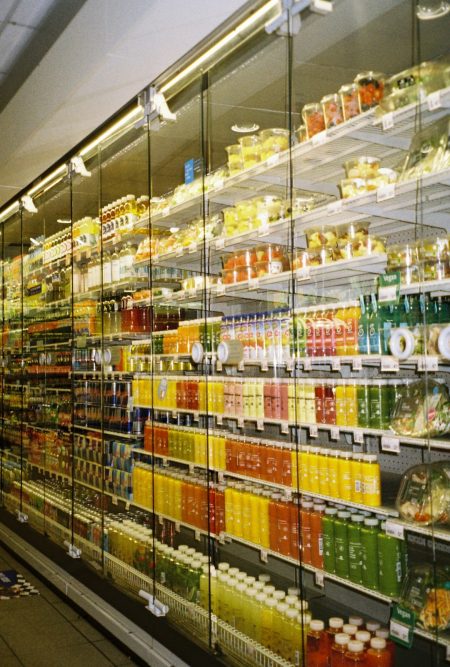
The situation escalated significantly in December when the rial’s value plummeted by 16%, contributing to an alarming 84% decline over the past year. This sharp depreciation directly pushed annual food inflation to a staggering 72%, nearly double its recent average, as reported by Project Syndicate.
The ripple effect of currency collapse and soaring inflation
The rapid depreciation of the rial has created a devastating ripple effect across the Iranian economy. Households witness their savings evaporate and their daily expenses surge, eroding trust in the financial system. Economists point to a direct link between currency instability and social unrest, as basic needs become unaffordable for a growing segment of the population.
Beyond food, the cost of other essential goods and services has also climbed, exacerbating the financial strain on families. The Iranian government’s attempts to control prices have largely failed to mitigate the impact of the currency’s freefall, leaving many citizens feeling abandoned and desperate amidst the crisis.
Economic reforms and their short-term challenges
In response to the economic turmoil, the Iranian government has proposed various reforms, including cash transfers and promises of future inflation reduction. However, analysts suggest these measures may not be enough to appease a populace already battered by years of instability and a perceived lack of effective governance.
Such reforms, while aiming for long-term stability, often introduce short-term dislocations that can further fuel public discontent. As the country navigates these changes, the immediate economic pressures on ordinary Iranians are likely to persist, maintaining the underlying tension that drives the ongoing protests.
The International Monetary Fund (IMF) has also highlighted the challenges Iran faces in achieving sustainable economic growth amidst sanctions and structural issues. Their reports consistently emphasize the need for comprehensive policy reforms to address these deep-seated problems, echoing concerns about the immediate impact on citizens. Additionally, the World Bank’s economic monitors frequently underscore the volatility and structural challenges inherent in Iran’s economic landscape.
The current wave of protests in Iran is fundamentally an outcry against economic hardship. While specific events like the rial’s collapse act as immediate triggers, the deep-seated issues of inflation, declining purchasing power, and a lack of economic opportunity continue to drive public frustration. Addressing these economic roots is crucial for any lasting resolution.
The path forward for Iran involves navigating complex economic reforms while simultaneously rebuilding public trust and ensuring a more stable financial future for its citizens. Without tangible improvements in daily economic realities, the potential for further social unrest will remain a significant concern for the nation’s leadership.