In an era dominated by e-commerce, brick-and-mortar bookshops are not just surviving but thriving, challenging long-held assumptions about the digital future of reading. Recent data from 2025 reveals a significant uptick in independent shops and print book sales, signaling a robust return to tangible literary experiences across the globe.
Jeff Bezos, Amazon’s founder, famously called books “the last bastion of analog” in 2008, predicting their inevitable digital transformation with the advent of the Kindle. Yet, nearly two decades later, the publishing industry, as highlighted in a January 2026 article by Fast Company, remains surprisingly rooted in its physical form, despite Amazon’s digital push.
Despite Amazon’s undeniable market share, estimated to control 50% or more of print book sales, the narrative of its unchallenged dominance is evolving. Consumers are actively choosing physical spaces and printed pages, indicating a deeper preference beyond mere nostalgia, as the digital experience shows signs of strain.
The enduring appeal of print and physical spaces
The resilience of traditional books is remarkable. According to the Fast Company report, roughly three-quarters of the 707 million books sold in 2025 were traditional, “dead-tree” varieties. E-books accounted for only 11% of revenue in the first ten months of that year, a notable decrease from 17% in 2016, underscoring a clear preference for physical formats.
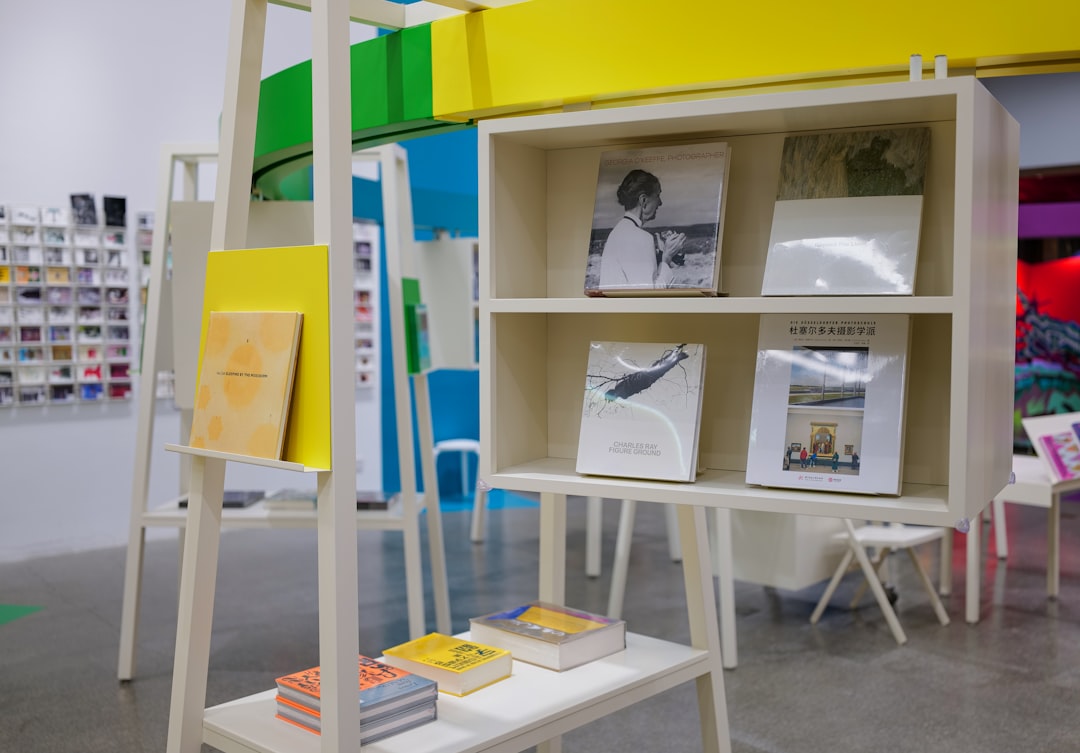
This preference extends to the shopping experience. The American Booksellers Association saw its ranks swell by 422 new independent shops in 2025, alongside dozens of new Barnes & Noble locations. This expansion reflects a growing demand for the curated atmosphere and community engagement that only a physical bookstore can provide, offering a stark contrast to online browsing.
Much of what delights readers about engaging with books is inherently physical – the feel of paper, the smell of ink, and the serendipity of discovering a new title on a shelf. This tangible interaction sets books apart from other media like music or movies, which have transitioned almost entirely to digital consumption. The sensory experience of a brick-and-mortar bookshop cannot be replicated online.
Amazon’s “enshittification” and the declining digital experience
While e-books offer undeniable advantages such as lower cost, portability, and searchability, they often fall short in typographical quality and layout compared to their print counterparts. Even Amazon’s attempts to innovate, like the “Ask this book” AI feature introduced in late 2025, have proven problematic, as documented by Fast Company.
The “Ask this book” tool, designed to answer questions about a book’s content, was found to frequently mangle factual material and failed to provide citations, rendering it largely useless. Furthermore, the feature proved controversial due to authors not being compensated and lacking an opt-out option, raising ethical concerns within the publishing community.
Author Cory Doctorow coined the term “enshittification” to describe how tech products often degrade into customer-hostile platforms over time. He identifies Amazon as having reached a “terminal stage” of this phenomenon. The company’s original tagline, “Earth’s biggest bookstore,” now feels more like a threat than a promise, with its book shopping experience deteriorating significantly.
Amazon’s search results are often cluttered with unrelated sponsored links and “blatantly AI-generated junk books.” Pages for specific authors may be incomplete or list books they didn’t write. This chaotic and often inaccurate environment pushes consumers towards the reliability and curated selection found in traditional brick-and-mortar bookshops, where quality and authenticity are prioritized.
The ongoing narrative is not just about the survival, but a vibrant renaissance for brick-and-mortar bookshops. As digital platforms increasingly prioritize profit over user experience and content integrity, the authentic, curated, and community-focused environment of physical stores offers a compelling alternative. This trend suggests a future where the tangible and the local hold significant, lasting value in our consumption habits, proving that the physical book and its dedicated space are far from obsolete.