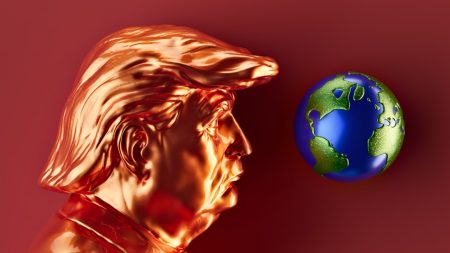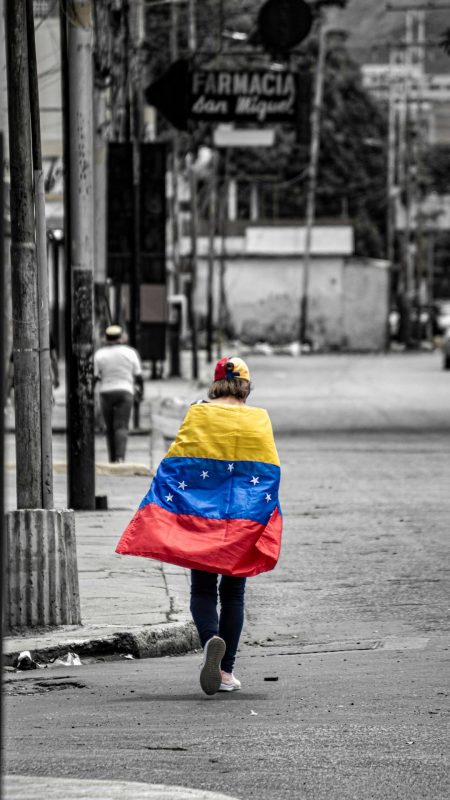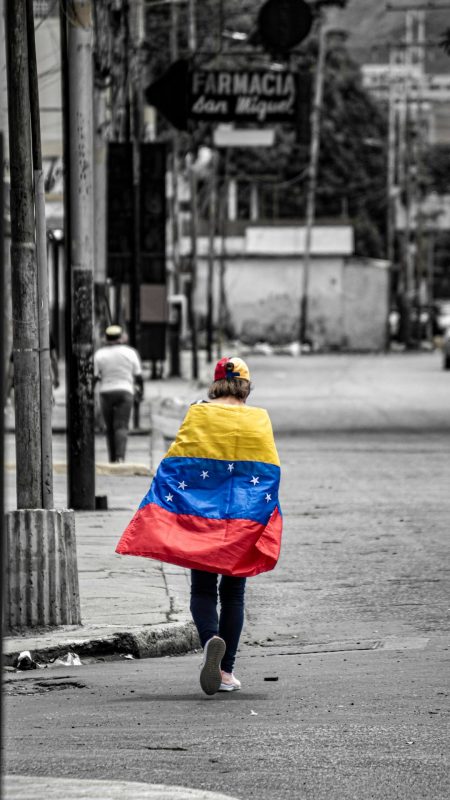
The Trump administration’s capture of Venezuelan President Nicolás Maduro in 2026 marked a critical turning point for international law, challenging the very foundations of the global rules-based order. This intervention, devoid of pretense for democracy or human rights, exposed deep vulnerabilities in the established system of international relations, prompting urgent questions about its future viability.
Such unilateral actions are not entirely new, recalling Cold War interventions like the 1989 toppling of Panama’s Manuel Noriega. However, the explicit disregard for multilateral frameworks and the open admission of national interest over universal principles signals a profound shift. This moment forces a reevaluation of the philosophical underpinnings that once guided global cooperation.
As highlighted by Daron Acemoglu in Project Syndicate, the Trump administration’s approach challenges the very idea of a rules-based order, prompting a global re-evaluation.
The implications extend far beyond regional politics, influencing how nations interact on trade, security, and human rights. A world where powerful states routinely bypass international norms risks descending into a more volatile, unpredictable landscape, impacting economic stability and diplomatic trust worldwide, thus eroding the core principles of the rules-based order.
The unraveling of international norms
For decades following World War II, the rules-based order, largely championed by the United States, provided a framework for global stability. Institutions like the United Nations, the World Trade Organization, and the International Criminal Court were established to foster cooperation and resolve disputes peacefully.
This system aimed to prevent a return to great power conflict by upholding universal norms and international law, providing a crucial bulwark against unilateral aggression and fostering collective prosperity.
However, recent years have seen a consistent erosion of these norms. From withdrawals from international agreements to direct challenges to multilateral institutions, the commitment to a collective security and economic framework appears to be waning.
Dr. Evelyn Goh, a professor of international relations, notes that “the increasing willingness of major powers to act unilaterally undermines the credibility and effectiveness of global governance mechanisms, leaving smaller states more vulnerable.”
The Venezuelan episode serves as a stark example of this trend, where the pursuit of perceived national interest superseded established legal procedures. This approach risks normalizing a foreign policy where might makes right, further destabilizing regions and making collective responses to global challenges, such as climate change or pandemics, increasingly difficult.
Rebuilding trust: A path forward for global governance
The current state of affairs demands a critical re-evaluation of how the global rules-based order can be sustained or, indeed, rebuilt. Some analysts suggest that a new philosophical foundation, perhaps one less reliant on a single hegemon, is necessary. This could involve strengthening regional blocs and empowering a more diverse array of global actors, fostering a more multipolar and inclusive system.
Efforts to rebuild trust must focus on transparency, accountability, and the consistent application of international law to all states, regardless of their power. A 2023 report by Chatham House suggests a renewed commitment to multilateral diplomacy and institutional reform is crucial.
This approach could help restore faith in collective action, addressing legitimate grievances and ensuring that the rules of the rules-based order are perceived as fair and universally applicable to all nations.
The future of the rules-based order hinges on a collective willingness to invest in shared values and cooperative frameworks. Without a renewed dedication to these principles, the international community risks a fractured landscape where geopolitical competition overshadows collaboration, ultimately impacting global prosperity and peace.
The challenges to the rules-based order are undeniable, demanding a concerted effort to redefine and reinforce its core tenets. While the path ahead remains uncertain, the imperative to forge a more equitable and resilient framework for international cooperation is clear, crucial for navigating complex global crises and ensuring a stable future for all.