Scientists are pioneering a novel encapsulation method to transform common thyme extract into a stable and precisely delivered form of medicine. This breakthrough, recently highlighted on ScienceDaily, addresses long-standing challenges in harnessing natural compounds for health benefits, promising to make thyme precision medicine a reality for diverse applications.
Thyme, revered for centuries in traditional remedies, contains potent biologically active compounds like thymol, carvacrol, rosmarinic acid, and caffeic acid. These offer significant immune-supporting, anti-inflammatory, antimicrobial, and antioxidant properties. However, its volatile nature means it evaporates quickly, leading to waste and making precise dosing difficult, while larger amounts can cause irritation.
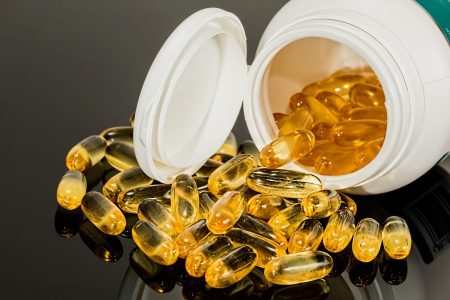
The innovation from researchers at Tomsk Polytechnic University and Surgut State University in Russia tackles these issues by creating microscopic capsules for the extract. This technique allows for the consistent delivery of extremely small, controlled doses, ensuring stability and preventing the extract’s natural drawbacks from limiting its therapeutic potential.
Encapsulating nature’s power for targeted delivery
The core of this scientific advancement lies in a sophisticated encapsulation process detailed in Physics of Fluids. Researchers use carefully controlled streams of thyme extract combined with gelatin, sodium alginate – a common food industry thickener – and oil. This microfluidic approach ensures the extract is sealed within tiny droplets, preventing evaporation and maintaining its integrity.
Specifically, the method involves pushing a mixture of thyme extract and gelatin through a tiny chip simultaneously with a stream of sodium alginate. Inside the chip, these two liquids flow together but remain distinct. A perpendicular stream of oil then precisely breaks this combined flow into minuscule, fully encapsulated droplets, each containing a consistent nanodose of the active compounds.
This ingenious technique overcomes the inherent instability and potential for irritation associated with raw thyme extract. By trapping the beneficial compounds, scientists can now ensure a predictable and safer delivery mechanism, paving the way for more effective natural health solutions.
Beyond thyme: The future of botanical nanomedicine
The most significant implication of this research extends beyond thyme itself: it proves that precise and consistent nanodosing of natural extracts is achievable. While further work is needed to package these nanodoses into pharmaceutical-grade oral capsules, the foundational technology offers immense promise for drug delivery systems.
Maxim Piskunov, one of the authors, highlighted the system’s self-regulating nature in delivering consistent doses, which is invaluable for drug applications. He also noted that adjusting microdroplet diameter is possible by varying the oil phase flow rate, offering flexibility in dosage control. This precision could revolutionize how we utilize botanical compounds, ensuring maximum efficacy with minimal side effects.
The researchers emphasize that this technique isn’t limited to thyme. It holds potential for encapsulating a wide array of other aqueous extracts, including water-alcohol extracts with higher concentrations of active substances. Future developments, combining this method with machine vision and artificial intelligence, could enable real-time monitoring and control of nanodosing, opening new frontiers in the food and pharmaceutical industries.
The ability to turn volatile natural compounds like thyme into stable, precision medicine represents a significant leap forward in botanical science. This innovative encapsulation method not only unlocks the full therapeutic potential of thyme but also sets a precedent for developing more effective, safer, and controlled natural remedies. As research progresses, we can anticipate a new era where the healing power of plants is delivered with unprecedented accuracy and impact across health and wellness sectors.