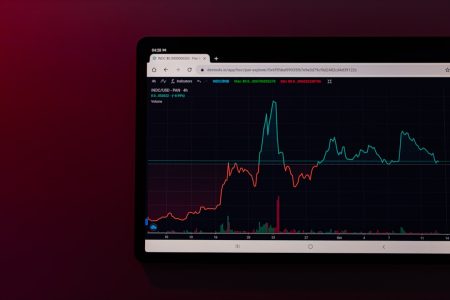

Trove Markets’ recent $11.5 million token sale has drawn significant criticism from the crypto community following last-minute changes to its terms, which directly impacted a related bet on the prediction market Polymarket. This sudden alteration has raised serious concerns about transparency and fairness within the nascent digital asset space.
The successful capital raise, designed to fund the platform’s development, was quickly overshadowed by accusations of poor governance. Participants, particularly those active on decentralized prediction platforms, had made financial commitments based on the original tokenomics and launch conditions. The expectation in such a rapidly evolving sector is that announced terms remain stable.
The incident highlights the volatile intersection of token launches and speculative markets, where even minor adjustments can have substantial consequences. For many, the integrity of a project is paramount, and any deviation from established protocols can severely erode community trust, a vital component of decentralized ecosystems.
Unpacking the controversial changes and their ripple effect
The core of the controversy stems from modifications to the Trove Markets token sale structure, which were reportedly introduced just before the final distribution. These changes, as first reported by The Block, included adjustments to vesting schedules or token allocations, altering the perceived value and availability of the tokens. Such shifts are particularly problematic when external markets have already priced in the original conditions.
On Polymarket, a popular platform for decentralized predictions, users had placed bets on specific outcomes related to the Trove Markets launch, including token price or distribution events. When the terms unexpectedly changed, it directly affected the validity and payout of these bets, leading to frustration and financial losses for some participants. According to a crypto analyst specializing in market integrity, “altering token sale terms post-announcement, especially when a parallel market has formed, is a serious breach of trust that can undermine an entire project’s credibility.”
Erosion of trust and the future of decentralized governance
This episode with the Trove Markets token sale extends beyond individual losses; it touches on fundamental issues of trust and governance in the Web3 space. The decentralized ethos promises transparency and immutability, yet incidents like this expose vulnerabilities when project teams make unilateral decisions. It forces a re-evaluation of how much faith participants can place in announced roadmaps and tokenomics.
For the broader crypto market, such events serve as cautionary tales, emphasizing the need for robust pre-launch planning and clear communication channels. As blockchain governance expert Dr. Anya Sharma noted in a recent seminar, “the success of decentralized projects hinges on community confidence. Any action perceived as opaque or self-serving can set back years of effort in building a credible, decentralized future.” The incident underscores the ongoing challenge of balancing agile development with the strict demands of community expectation and market fairness.
Ultimately, the backlash surrounding the Trove Markets token sale offers a critical lesson for new projects entering the crowded crypto landscape. Maintaining transparency, adhering to announced terms, and engaging proactively with the community are not merely best practices; they are essential pillars for long-term success and for fostering a truly resilient and trustworthy decentralized ecosystem.