In August 2019, then-President Donald Trump’s unexpected inquiry about purchasing Greenland from Denmark ignited a diplomatic firestorm, quickly escalating from a seemingly outlandish idea to a genuine point of international friction. The proposition, swiftly dismissed as “absurd” by Danish and Greenlandic officials, underscored the island’s escalating geopolitical significance.
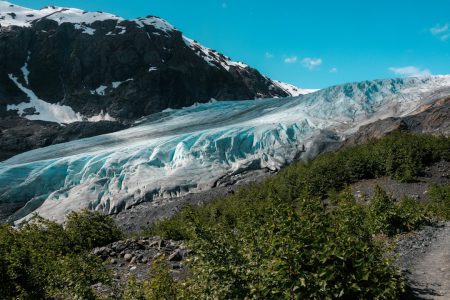
This episode, though brief, cast a spotlight on Greenland’s critical role in global strategy, particularly concerning the Arctic region. Beyond its vast ice sheet, the world’s largest island holds immense untapped mineral wealth, including rare earth elements, and a strategic location crucial for military and trade routes.
The United States’ enduring interest in Greenland dates back to World War II, when it established military bases, and continued through the Cold War with the Thule Air Base. Trump’s proposal, however, re-ignited a modern debate about sovereignty, resource control, and the future of the melting Arctic.
Greenland’s strategic importance in the Arctic
Greenland’s unique geography positions it as a pivotal player in the evolving Arctic landscape. Its proximity to North America and Europe, coupled with deep-water ports, offers significant military and commercial advantages. Experts note that as Arctic ice recedes, new shipping lanes become viable, transforming the region into a crucial economic corridor.
A 2023 report by the Arctic Council highlighted the accelerating pace of climate change in the Arctic, opening previously inaccessible areas. This has intensified competition among global powers like the US, Russia, and China, all keen on asserting influence over the region’s resources and routes.
The US Department of Defense has long recognized Greenland’s strategic value for missile defense and early warning systems. Furthermore, Greenland is rich in critical minerals, including rare earths, uranium, and zinc, vital for modern technology and green energy transitions. Control over these resources could significantly bolster a nation’s economic and strategic autonomy. The US Department of State outlines its Arctic policy, emphasizing the region’s importance for national security and economic interests.
The economic and political landscape of Greenland
While Denmark provides substantial annual subsidies to Greenland, the island has been steadily moving towards greater autonomy, a process largely driven by the potential for self-sufficiency through resource extraction and tourism. The prospect of significant mineral wealth offers a pathway to economic independence.
The local government, Naalakkersuisut, has been cautious about foreign investment, balancing economic opportunities with environmental protection and indigenous rights. The rejection of Trump’s offer was not merely a diplomatic snub, but a strong affirmation of Greenland’s sovereignty and its right to determine its own future.
As reported by The New York Times at the time, Danish Prime Minister Mette Frederiksen called the idea “an absurd discussion.” This incident also served as a stark reminder of the delicate balance in US-Denmark relations. Despite the diplomatic spat, cooperation on Arctic security and climate research remains a cornerstone of their alliance.
Ultimately, Trump’s Greenland proposal, while unconventional, brought much-needed global attention to the Arctic’s strategic significance. It underscored the island’s untapped potential, its critical role in climate change, and the complex interplay of sovereignty, resources, and international relations.
As the Arctic continues to thaw, Greenland will remain a focal point for geopolitical maneuvering and economic opportunity, far beyond any fleeting purchase offers.