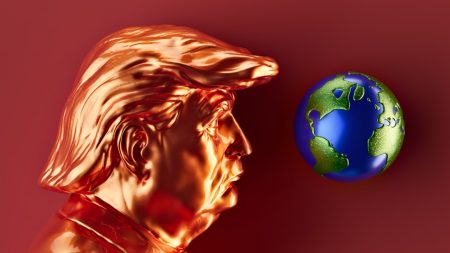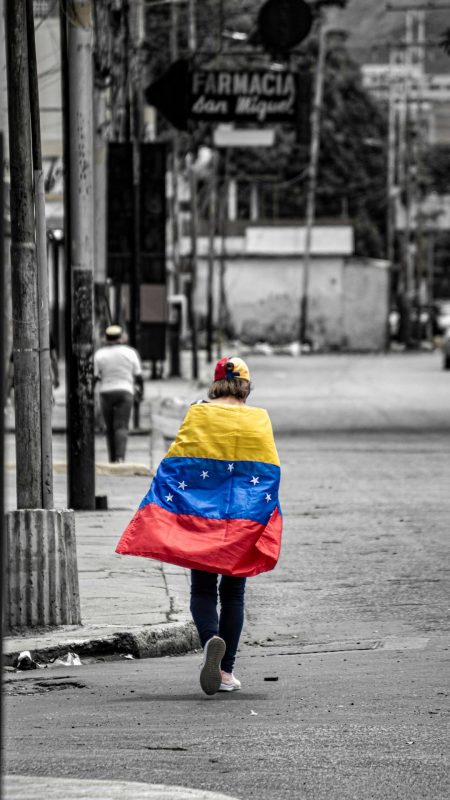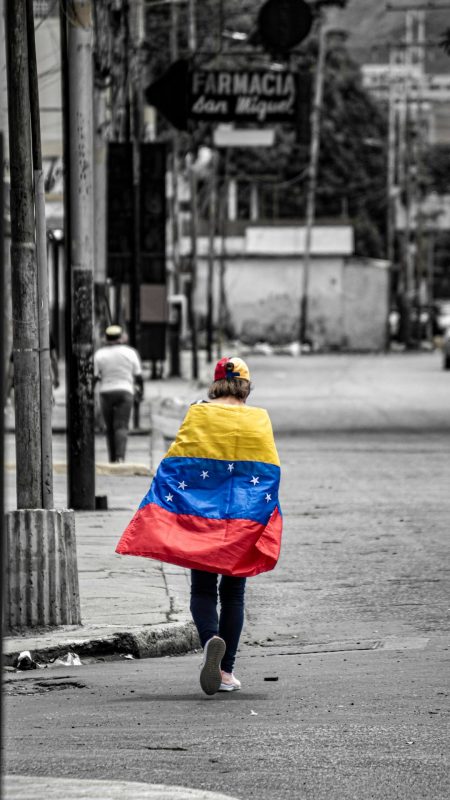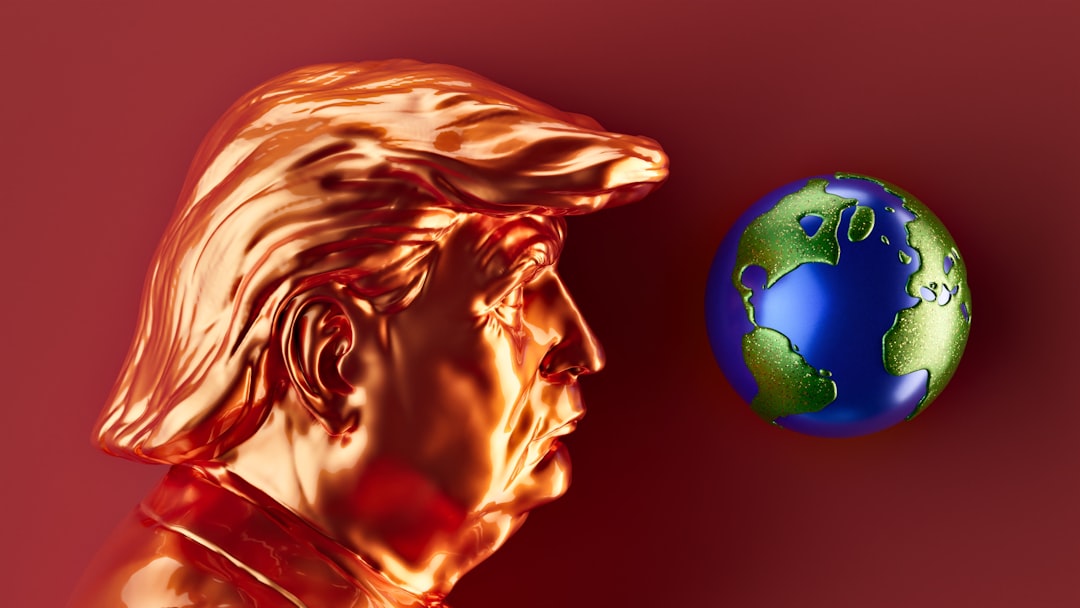
Donald Trump’s “America First” doctrine has, by his second term, clearly transformed into a Trump’s Hobbesian World Order, fundamentally altering global power dynamics. This shift sees the United States asserting its will over perceived weaker nations, as notably demonstrated in its recent operation involving Venezuela. The implications for international law and global stability are profound.
This aggressive posture moves beyond traditional isolationism, embracing a worldview where power dictates rights, reminiscent of Thomas Hobbes’s “state of nature.” Such an approach, outlined in a recent analysis by Shlomo Ben-Ami for Project Syndicate, suggests a deliberate dismantling of multilateral frameworks and established international norms. The January 8, 2026, piece highlights how the Venezuela action exemplifies this new era.
The redefinition of American power under this paradigm poses critical questions for other major players. Nations like China, Russia, and even US allies such as Germany, India, and Japan face a landscape where the rules-based international order is actively undermined. This forces a re-evaluation of security and economic strategies globally.
The erosion of international norms and the Hobbesian framework
The core of Trump’s Hobbesian World Order lies in a rejection of conventional diplomacy and a preference for unilateral action. This philosophy argues that might makes right, allowing powerful states to pursue their interests without significant checks from international law or institutions. The Venezuela operation, for instance, has been criticized for setting a dangerous precedent, potentially justifying similar actions by other major powers.
Critics argue that this approach, by disregarding sovereignty and international agreements, provides a tacit green light for other nations to pursue their own aggressive agendas. For example, some analysts suggest that the US stance inadvertently vindicates Russia’s invasion of Ukraine and could encourage China to act more assertively regarding Taiwan. This creates a more volatile and unpredictable global environment, as discussed by experts at the Council on Foreign Relations.
The implications extend beyond military actions. Economic sanctions and trade disputes are also increasingly wielded as tools of raw power, rather than as instruments within a defined legal framework. This shift undermines global trade stability and creates uncertainty for businesses and investors worldwide, as detailed in recent reports from the World Trade Organization. The long-term consequences could include a fragmentation of global economic systems.
Global responses to a new power dynamic
In response to this emerging Trump’s Hobbesian World Order, there is a growing imperative for other significant global actors to reconsider their alliances and strategies. The Project Syndicate article explicitly calls for large and rising powers to collaborate. Germany, India, and Japan, among others, are encouraged to work together to affirm and enforce a new set of international conduct rules. This collective action could serve as a counterweight to unilateralism.
Such cooperation would require a renewed commitment to multilateralism and the strengthening of international institutions. It is not merely about opposing a particular administration, but about safeguarding the principles of a rules-based order that has, for decades, underpinned global peace and prosperity. Academic studies from institutions like the London School of Economics frequently explore these dynamics.
The challenge lies in forging a common front among nations with diverse interests and geopolitical priorities. However, the shared risk of a chaotic, “might-makes-right” international system could provide the necessary impetus for such collaboration. This collective effort could shape the future of global governance in an era of unprecedented geopolitical flux.
The shift towards a Hobbesian worldview under Trump marks a significant departure from post-World War II international relations. This approach prioritizes raw power and national interest above collective security and international law, as evidenced by the Venezuela operation. The trajectory suggests an urgent need for other global powers to proactively build and reinforce a framework for international conduct. Only through concerted effort can the world hope to navigate this turbulent new chapter without descending into widespread instability.