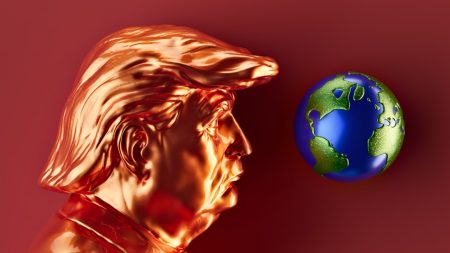
In early 2026, US President Donald Trump’s aggressive push to control Venezuela’s vast oil reserves and remove Nicolás Maduro has ignited a complex geopolitical challenge. This strategy, intended to project American power, instead highlights the inherent risks of intervention. It deepens “Trump’s Petrostate Dilemma in Venezuela” and risks fueling regional instability, rather than stabilizing the struggling oil industry.
The underlying assumption guiding this US foreign policy is that America can effectively “run” a country twice the size of Iraq, a notion questioned by many international relations experts. Venezuela, a nation rich in oil but plagued by economic collapse and political turmoil, presents a formidable challenge for any external power aiming for control. Its intricate internal dynamics and a deeply entrenched humanitarian crisis complicate any straightforward solution.
The push comes as Trump’s domestic political standing faces increasing scrutiny, leading some analysts to suggest his international actions are a bid to project strength amid vulnerability. The prospect of an overt resource grab, as described by Terry Lynn Karl in a commentary published by Project Syndicate on January 16, 2026, could further destabilize the region, rather than achieve the stated goal of restoring Venezuela’s oil production capacity.
The complexities of Venezuela’s oil industry
The Venezuelan oil industry, once a powerhouse, has seen its production plummet dramatically over the past decade. Data from the US Energy Information Administration (EIA) indicates a drop from over 3 million barrels per day in 2000 to less than 700,000 b/d by 2023, largely due to underinvestment, mismanagement, and US sanctions. Reversing this decline requires massive capital injection, technical expertise, and a stable political environment, none of which are easily achievable under current conditions.
Experts warn that simply taking over operations would not instantly revive production. “Venezuela’s oil infrastructure is severely degraded, requiring billions in investment and years of sustained effort to rebuild,” states Dr. Maria Elena Rodriguez, a senior energy analyst at the Center for Strategic and International Studies (CSIS). Any attempt to unilaterally manage these assets risks exacerbating existing tensions with the local population and potentially alienating key international players who might otherwise contribute to a legitimate reconstruction effort.
Regional stability and US foreign policy implications
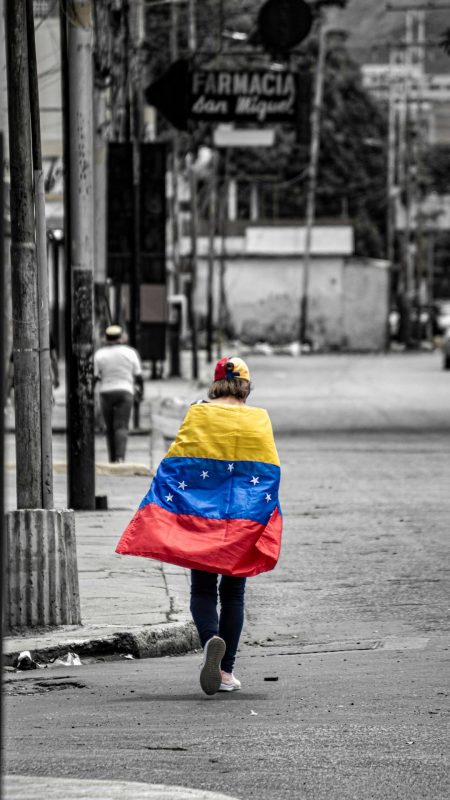
The US approach to Venezuela carries significant implications for regional stability, particularly for neighboring countries grappling with refugee flows and economic pressures. Colombia, Brazil, and other nations have borne the brunt of Venezuela’s crisis, with millions seeking refuge across borders, straining public services and social cohesion. An aggressive US intervention, perceived as an “overt resource grab,” could escalate these humanitarian challenges and foster anti-American sentiment.
Furthermore, the dilemma for Washington extends beyond Venezuela’s borders. Latin American leaders, wary of historical US interventions, could view such actions as a dangerous precedent, undermining diplomatic relations and regional cooperation. “Unilateral actions risk isolating the US on the international stage and weakening its moral authority,” warns Ambassador Luis Eduardo Prieto, former Venezuelan diplomat and current fellow at the Council on Foreign Relations. This complex interplay of economic interests, humanitarian concerns, and geopolitical maneuvering defines the ongoing challenge.
The “Trump’s Petrostate Dilemma in Venezuela” is not merely about oil or political power; it is a profound test of international relations and the limits of intervention. While the allure of Venezuela’s vast energy reserves remains, the path to stability and economic recovery is fraught with internal complexities and regional sensitivities. Future policy decisions will need to balance the desire for influence with the imperative of fostering genuine, sustainable solutions that prioritize the well-being of the Venezuelan people and the stability of the wider region.