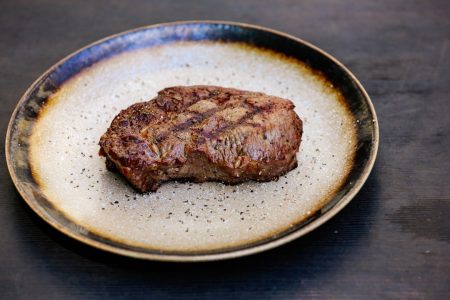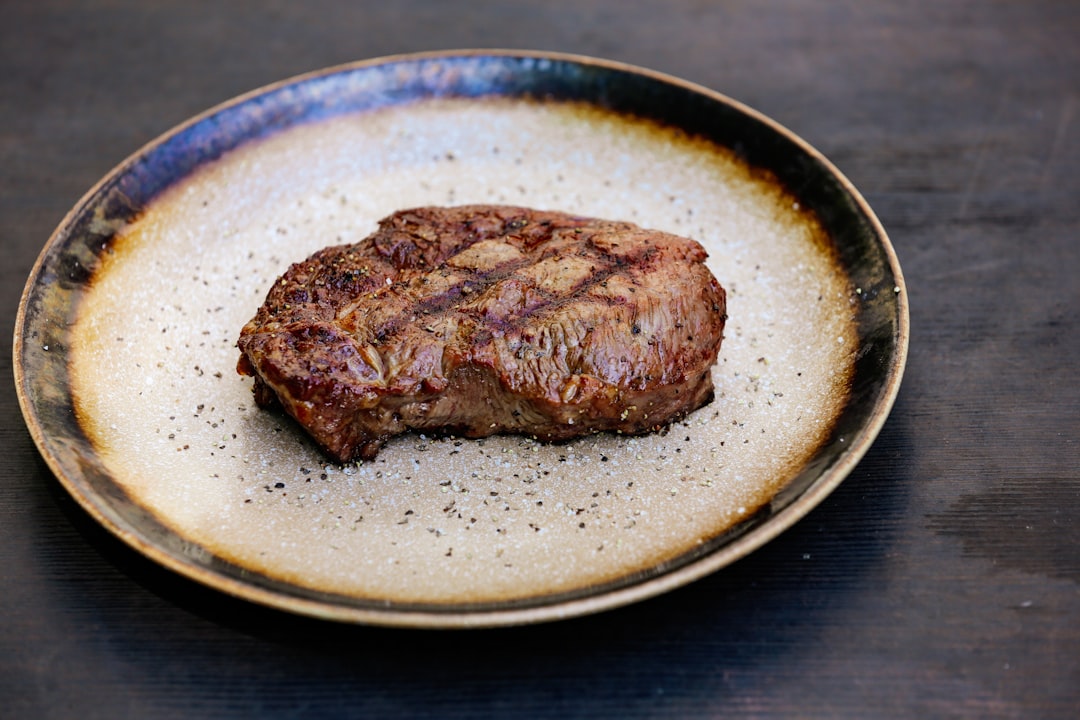
A groundbreaking cattle genome has provided researchers with the clearest insight yet into the unique characteristics that define Wagyu beef, particularly its legendary marbling. Scientists at the University of Adelaide, as reported by ScienceDaily on January 12, 2026, have uncovered hundreds of new genes and hidden genetic variations crucial for understanding Wagyu marbling DNA and its broader implications for livestock.
This unprecedented assembly of a near-complete cattle genome, detailed in Nature Communications, is 16 percent longer than previous reference genomes. It offers a far more comprehensive and accurate blueprint of one of the world’s most prized beef breeds. This scientific leap holds significant promise for transforming the beef industry by enabling more precise breeding strategies.
The economic potential is substantial for a global beef sector already experiencing robust growth. Australia’s beef production, for instance, reached 706,296 tonnes in the quarter ending June 2025, with the gross value of cattle and calves slaughtered totaling $4.9 billion, highlighting the industry’s capacity for innovation and profitability.
Decoding the genetic blueprint for superior beef
The research, spearheaded by the University of Adelaide’s Davies Livestock Research Centre (DLRC), has meticulously mapped the genetic makeup of Wagyu. Dr. Lloyd Low, a senior author of the study, emphasized the significance of this expanded genome, stating it provides an “untapped genetic resource” of structural variants that may hold the key to prized cattle traits.
These structural variants, previously undetected, highlight the hidden diversity within seemingly homogeneous breeds, as noted by Dr. Callum MacPhillamy from CSIRO. By pinpointing these genetic markers, breeders gain an unparalleled tool for identifying traits that influence not only marbling but also overall meat quality and profitability.
Professor Wayne Pitchford, Director of the DLRC, affirmed that this Wagyu genome provides a foundational resource to identify variants responsible for marbling and other profit-affecting characteristics. This precision in genetic selection promises to streamline breeding programs, leading to more consistent and higher-quality beef products.
Beyond wagyu: Broader impacts on livestock breeding
While the focus began with Wagyu, the implications of this advanced genomic understanding extend far beyond this single breed. Associate Professor Cynthia Bottema, also from the DLRC, highlighted that this new cattle genome empowers breeders across the industry with superior tools for identifying and selecting desirable traits.
This includes not just marbling, but also crucial factors like fertility and disease resistance, offering greater control over breeding outcomes. The collaboration with the United States Department for Agriculture (USDA) underlines the international significance of this work, building on a long-standing partnership to assemble some of the world’s most complete livestock genomes.
The team’s pioneering “trio binning method” for genome assembly, also published in Nature Communications, demonstrates their commitment to pushing the boundaries of genetic research. This methodology sets a new standard for genomic analysis in livestock, promising benefits for diverse cattle breeds globally.
The decoding of Wagyu’s genetic secrets represents a pivotal moment for the beef industry, shifting towards a future where precision breeding is the norm. This breakthrough promises to reshape how cattle are raised, ensuring optimal health, productivity, and the consistent production of high-quality beef.
While the first complete cattle X chromosome and four autosomes have been assembled, researchers aim to complete the remaining chromosomes and build a pangenome graph. This ongoing work will further illuminate the full spectrum of genetic diversity, ensuring future generations of cattle can be bred for optimal traits, including, of course, the perfect steak.