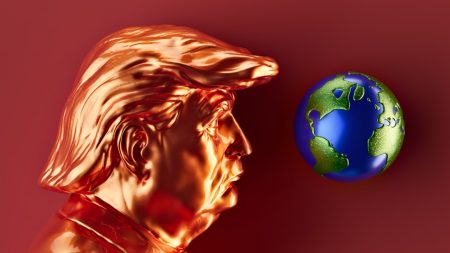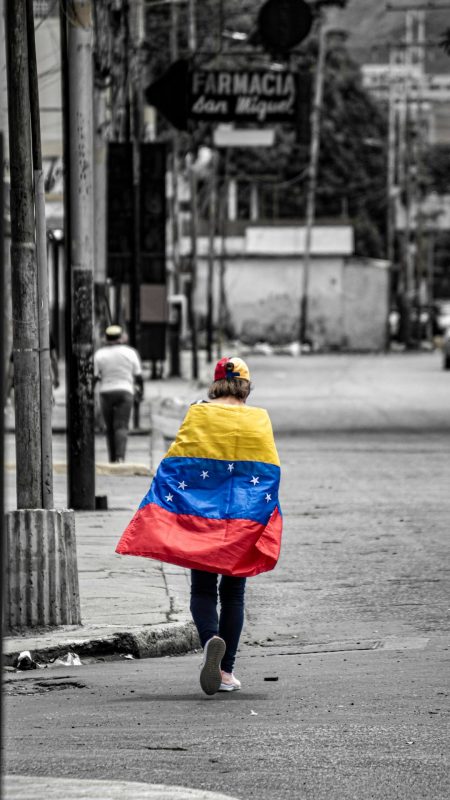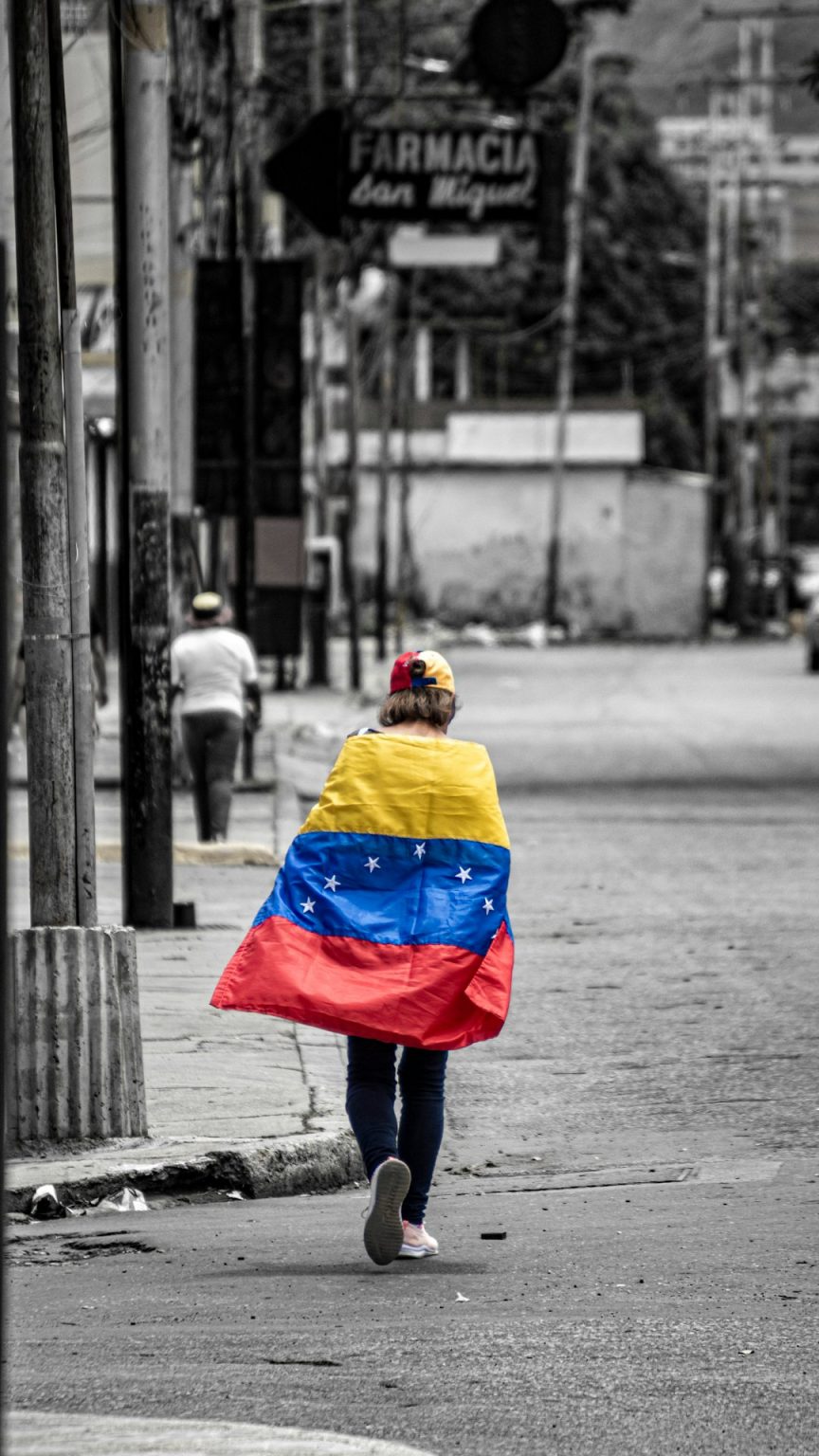
A dramatic midnight raid by the United States to capture Venezuelan President Nicolás Maduro in early 2026 has irrevocably altered the global landscape, signaling a profound shift from the established international order. This unprecedented intervention immediately brings into sharp focus the complex dynamics between Venezuela and the future of the West, forcing nations to redefine their roles and priorities in a rapidly evolving geopolitical environment.
This bold move, described by economist Jim O’Neill on Project Syndicate in January 2026, confirms that the world has entered a new era, leaving behind assumptions about the salvageability of the old international framework. The US action highlights a more assertive and unilateral approach to foreign policy, challenging traditional diplomatic norms and alliances that have underpinned global stability for decades. This shift compels a re-evaluation of Western unity and influence.
The immediate fallout extends beyond Caracas, raising critical questions about sovereignty, international law, and the potential for similar interventions elsewhere. For many observers, this event underscores a growing fragmentation of global power, with major players increasingly pursuing their interests through direct action rather than multilateral consensus. The implications for regional stability in Latin America are particularly acute, potentially exacerbating existing tensions.
Geopolitical realignment and Western priorities
The direct intervention in Venezuela forces Western nations to clarify their strategic priorities amidst a fractured international landscape. The notion of a world divided into distinct blocs – around the United States, China, and Russia – as suggested in recent US National Security Strategies, appears to be materializing through such decisive actions. European allies, in particular, face the challenge of reconciling their commitments to international law with the actions of a key partner.
This realignment could reshape trade relationships, defense pacts, and diplomatic engagements, especially concerning critical resources like oil. Venezuela, possessing the world’s largest proven oil reserves, remains a strategic prize, and any disruption to its political stability has ripple effects on global energy markets. The West’s energy security strategies are now intricately linked to the volatile political fate of nations like Venezuela, demanding careful consideration.
Furthermore, the incident tests the resilience of multilateral institutions, which often serve as forums for resolving international disputes through dialogue. The perceived bypassing of these bodies by a major power could weaken their authority and encourage other nations to adopt similar unilateral approaches. This erosion of multilateralism poses a significant threat to global governance and the collective ability to address shared challenges.
Economic repercussions and regional instability
The economic repercussions of the Venezuelan intervention are multifaceted, impacting global oil prices, foreign investment, and the stability of regional economies. Sanctions and political uncertainty have long plagued Venezuela’s oil industry, leading to a drastic decline in production from historical highs. The recent events threaten to further destabilize an already fragile economy, deepening humanitarian crises and driving migration flows.
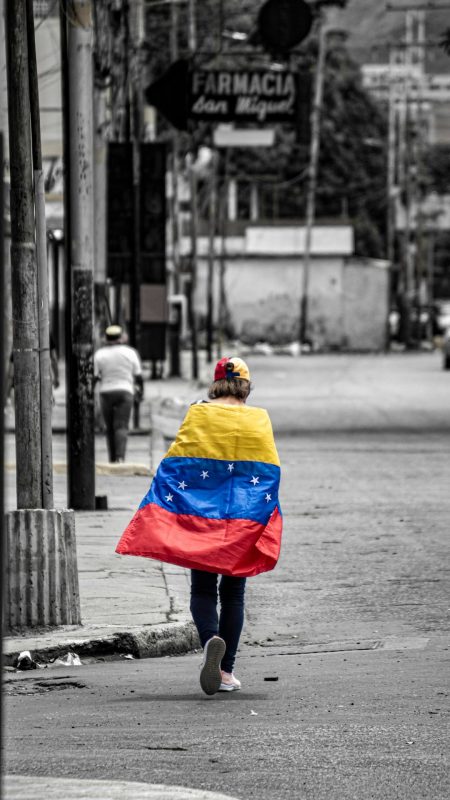
Neighboring countries in Latin America, already grappling with their own economic and social challenges, bear the brunt of Venezuela’s instability. The influx of Venezuelan migrants has strained public services and labor markets across the region, from Colombia to Brazil. According to a UNHCR report from 2023, over 7.7 million Venezuelans have left their country, with the majority seeking refuge in Latin America and the Caribbean. This situation creates a complex humanitarian and security challenge for the entire continent.
International businesses with investments in the region face heightened risks, prompting a re-evaluation of their operational strategies and supply chains. The perception of increased political volatility could deter future foreign direct investment, hindering economic growth and development in a region rich in resources and potential. The long-term economic outlook for the region becomes increasingly uncertain in this new geopolitical climate.
The events surrounding Venezuela in early 2026 underscore a fundamental shift in global power dynamics and the approach to international relations. The West, particularly its traditional leaders, must now navigate a landscape where unilateral actions are increasingly prevalent, challenging the very foundations of the post-Cold War order. The response to this new reality will define the future of alliances, economic stability, and the pursuit of peace in an increasingly complex world. Nations are compelled to adapt, forge new strategies, and confront the difficult questions of sovereignty and intervention head-on.