Vibe coding, a rapidly emerging application of generative AI, is empowering journalists to construct interactive web experiences and applications without needing to write traditional code. This groundbreaking shift transforms reporters into digital builders, fostering a new era of dynamic storytelling in media.
The traditional limitations of content creation tools in newsrooms often stifled creativity, forcing stories into rigid formats. Now, with vibe coding, creators can tailor experiences to content, rather than the other way around, igniting new enthusiasm among storytellers.
This approach, highlighted by Fast Company in a recent article, represents a significant evolution from simply generating text or images with AI. It allows for the creation of functional software and web pages, giving journalists unprecedented control over their narratives and how audiences engage with them.
Vibe coding: Unleashing creative potential in media
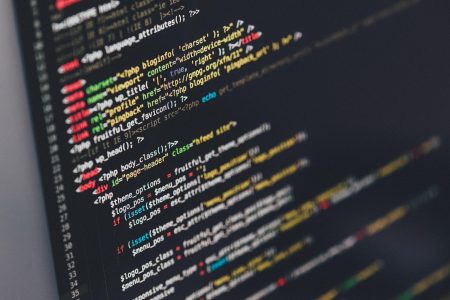
At its core, vibe coding allows users to create interactive digital experiences—such as webpages, apps, or data visualizations—using only plain-language prompts. The AI handles the underlying programming, transforming conceptual ideas into functional software within minutes, a process that once required extensive coding knowledge.
This capability is sparking a wave of creativity in newsrooms, where reporters can now design bespoke experiences that truly complement their stories. For instance, journalists have developed interactive explorers for municipal service data or web pages converting wildfire data into accessible maps, as noted in the Fast Company report.
The immediate sense of empowerment from seeing a functional creation come to life mirrors the initial awe experienced with early generative AI tools like ChatGPT. It offers a tangible way for content creators to move beyond static formats, paving the way for more immersive and engaging journalism.
From experimentation to sustained newsroom innovation
While the initial excitement of vibe coding is undeniable, turning these impressive one-off creations into stable, ongoing tools often demands a wider set of software and developer skills. This presents a crucial challenge for media organizations aiming to integrate vibe coding deeply into their operations.
Sustaining the momentum requires more than just permission to experiment; it necessitates a strategic approach. Newsrooms must cultivate new skills in structured prompting and AI collaboration, invest in specialized tools, and foster a fundamental culture shift towards product-centric thinking. According to a 2023 report by the Reuters Institute for the Study of Journalism, AI adoption in newsrooms is rapidly accelerating, shifting focus beyond just content generation.
Journalists, particularly those in data journalism, are finding an advantage by adopting a mindset closer to that of a product manager. This involves considering audience needs and expected interactions from the outset, ensuring that new interactive experiences genuinely enhance engagement rather than just existing as novelties. Platforms like Webflow or Bubble have long offered no-code solutions, but vibe coding takes this accessibility to a new level with AI.
The integration of vibe coding marks a pivotal moment for media, shifting the paradigm from reporters as mere content producers to empowered digital builders. This technological leap promises not only more dynamic and interactive storytelling but also a more direct and creative role for journalists in shaping how news is consumed.
As generative AI continues to evolve, the distinction between content creation and software development blurs. Media organizations that embrace this transformation, investing in both the tools and the cultural shifts required, stand to redefine audience engagement and secure a more innovative future for journalism.