Chronic gut inflammation, a hallmark of conditions like inflammatory bowel disease, significantly elevates the risk of colon cancer by triggering a complex immune response that damages DNA and fosters tumor growth. Recent research from Weill Cornell Medicine highlights a specific immune chain reaction, offering new insights into this dangerous progression.
Inflammatory bowel disease (IBD), encompassing Crohn’s disease and ulcerative colitis, affects millions globally, characterized by persistent inflammation in the digestive tract. Beyond its debilitating digestive symptoms, IBD patients face a substantially higher likelihood of developing colorectal cancer, often at younger ages and with poorer prognoses, as reported by the U.S. Centers for Disease Control and Prevention.
This heightened risk has long puzzled researchers, but a study published in Immunity in January 2026 sheds light on the precise mechanisms. It reveals how specific inflammatory signals in the gut can orchestrate a systemic immune response, transforming a defensive reaction into a pathway for oncogenesis.
The inflammatory cascade to cancer
The core of this immune cascade lies with TL1A, an inflammatory signaling protein known to be linked to both IBD and colorectal cancer. Researchers at Weill Cornell Medicine discovered that TL1A primarily exerts its influence through a group of gut immune cells called ILC3s. When TL1A activates these ILC3s, they initiate a critical sequence of events.
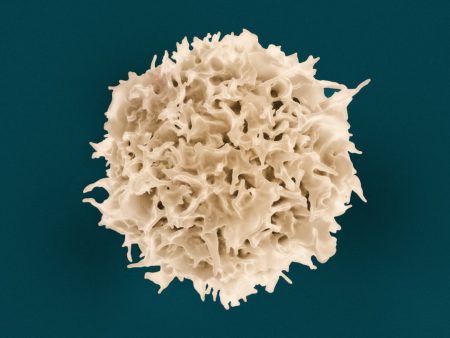
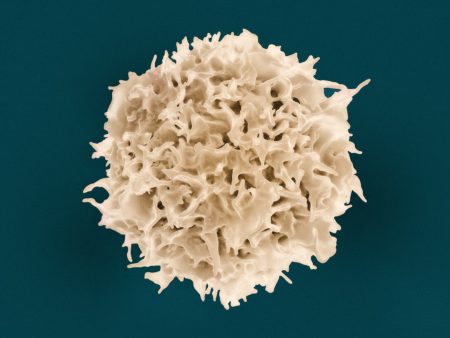
These activated ILC3 cells release granulocyte-macrophage colony-stimulating factor (GM-CSF), a substance that dramatically boosts the production of neutrophils, a type of white blood cell, in the bone marrow. This process, termed “emergency granulopoiesis,” floods the gut with these immune cells.
This surge creates an environment ripe for tumor development, as demonstrated in mouse models of intestinal cancer. The rapid influx of these cells, normally defensive, becomes a contributing factor to oncogenesis, according to a report by ScienceDaily on the Weill Cornell Medicine findings.
Dr. Randy Longman, senior author of the study and director of the Jill Roberts Center for Inflammatory Bowel Disease at Weill Cornell Medicine, emphasized the significance. “These findings are important given the intense interest in the medical community to understand TL1A’s role in IBD and its potential role in associated colorectal cancers,” Dr. Longman stated.
He highlighted the scarcity of strategies available until now to mitigate this specific cancer risk, underscoring the breakthrough nature of their discoveries.
Neutrophils: double-edged swords in the gut
Neutrophils, typically frontline defenders against infection, take on a sinister role in chronic inflammation. They contribute to colorectal tumor growth by releasing reactive molecules that directly damage DNA in the cells lining the gut. This DNA damage is a crucial step in initiating cancerous transformations, a key factor in conditions like colorectal cancer.
The study also revealed that ILC3 cells don’t just recruit neutrophils; they reprogram them. They trigger a unique pattern of gene activity within these neutrophils, including higher activity of genes specifically linked to the initiation and progression of cancer.
Similar gene expression changes were observed in colon tissue samples from human patients with IBD-related colitis, reinforcing the clinical relevance of these findings. Significantly, this tumor-promoting gene signature was less pronounced in patients undergoing experimental treatment to block TL1A, suggesting a potential therapeutic avenue.
Dr. Sílvia Pires, first author of the study, noted the broader implications. “I think it will be exciting for clinicians in the IBD field to know that there is a systemic process at work here, involving both the gut and the bone marrow, with the potential to drive precision medicine in IBD,” Pires stated, envisioning tailored treatments.
The intricate link between chronic gut inflammation and colon cancer is now clearer, thanks to this detailed understanding of the TL1A-ILC3-neutrophil pathway. This research not only explains why IBD patients face elevated cancer risks but also points towards several components of this immune pathway as promising targets for future treatments.
Specifically, TL1A, ILC3 cells, GM-CSF, and the recruited neutrophils could be focal points. Developing therapies that interrupt this destructive cycle could offer new hope for preventing colorectal cancer in vulnerable populations, moving towards more precise and effective interventions.