A groundbreaking international brain study, recently highlighted by ScienceDaily.com on January 14, 2026, has revealed why memory loss with age can suddenly accelerate, pointing to widespread structural changes across the brain rather than a single region as the primary driver.
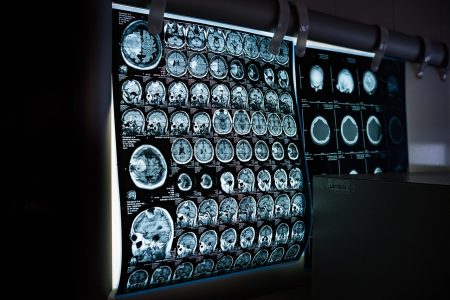
This unprecedented research synthesized brain imaging and memory testing data from thousands of adults, providing a much clearer understanding of how age-related brain alterations influence cognitive abilities. Scientists meticulously integrated information from over 10,000 MRI scans and 13,000 memory assessments, involving 3,700 cognitively healthy individuals across 13 distinct long-running studies.
The comprehensive findings, detailed in Nature Communications, significantly challenge the traditional view that age-related memory decline stems from isolated damage or simple genetic factors like APOE ε4. Instead, the study proposes a complex, pervasive process where broad biological vulnerability in brain structure accumulates over decades, eventually reaching a tipping point.
Widespread brain changes drive memory decline
The investigation confirmed that memory-related brain changes extend far beyond one isolated region. Although the hippocampus, a critical structure for memory formation, displayed the strongest correlation between volume loss and declining memory performance, the research clearly indicated that numerous other cortical and subcortical areas are also significantly implicated.
This suggests a distributed vulnerability throughout the brain’s networks, rather than a singular point of failure. The consistent pattern observed across various regions, with the hippocampus showing the largest effects but smaller, yet still meaningful, associations appearing across much of the brain, underscores this holistic perspective.
Dr. Alvaro Pascual-Leone, a senior scientist at the Hinda and Arthur Marcus Institute for Aging Research and medical director at the Deanna and Sidney Wolk Center for Memory Health, emphasized the broader implications. He stated, “Cognitive decline and memory loss are not simply the consequence of aging, but manifestations of individual predispositions and age-related processes enabling neurodegenerative processes and diseases.”
The accelerating effect of brain atrophy
A critical discovery from the study was the non-linear relationship between brain atrophy and memory loss. Researchers observed that individuals experiencing faster-than-average structural brain loss exhibited much steeper and more rapid declines in memory function. This suggests a threshold effect: once brain shrinkage passes a certain level, its detrimental impact on memory intensifies, accelerating instead of progressing at a steady, linear pace.
This accelerating effect was not confined to a single area but appeared consistently across many brain regions. The uniformity of this pattern strongly supports the hypothesis that memory decline during healthy aging reflects large-scale, network-level structural changes across the entire brain. While the hippocampus remains exceptionally sensitive, it operates as an integral part of a more extensive and interconnected system.
By meticulously integrating data from dozens of research cohorts, this study offers the most comprehensive picture to date of how structural brain changes evolve with age and their direct correlation with memory function. Understanding this widespread and often accelerating vulnerability is paramount for developing more precise and personalized interventions. This knowledge could enable earlier identification of at-risk individuals and foster strategies that effectively support cognitive health throughout the lifespan, potentially preventing cognitive disability.