For a small segment of the population, melodies, rhythms, and harmonies evoke no emotional response, leaving music emotionally flat despite normal hearing. This condition, known as specific musical anhedonia, stems from a unique neural disconnect within the brain, challenging long-held assumptions about how humans process pleasure and reward.
Researchers first identified this intriguing phenomenon about a decade ago, noting that individuals with specific musical anhedonia report no enjoyment from music, even while experiencing pleasure from other activities. The findings point to a fascinating interplay between the brain’s auditory processing centers and its reward circuitry, suggesting that the problem isn’t a faulty reward system per se, but rather its failure to properly engage with musical stimuli.
This distinct neurological profile offers a valuable lens through which to examine the broader mechanisms of pleasure and happiness. Understanding why music brings no joy to some people could unlock insights into a spectrum of reward-related disorders, from anhedonia to addiction, as highlighted by neuroscientists studying the condition.
The neural disconnect behind specific musical anhedonia
Evidence from both behavioral studies and advanced brain imaging techniques consistently supports the idea that specific musical anhedonia arises from weak communication between distinct brain networks. Individuals affected by this condition can effortlessly recognize and process melodies, confirming their auditory system functions without issue. However, they simply do not derive pleasure from the experience, as detailed in a study published in the Cell Press journal Trends in Cognitive Sciences, reported by ScienceDaily on January 12, 2026.
To accurately identify those with musical anhedonia, a research team from the University of Barcelona developed the Barcelona Music Reward Questionnaire (BMRQ). This assessment tool evaluates an individual’s musical reward across five dimensions: emotional response, mood regulation, social bonding, physical movement, and the desire to seek out new musical experiences. Those with specific musical anhedonia consistently score low across all categories, indicating a pervasive lack of musical enjoyment.
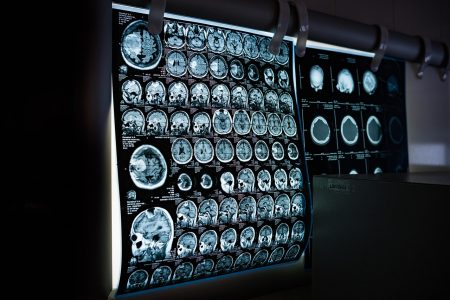
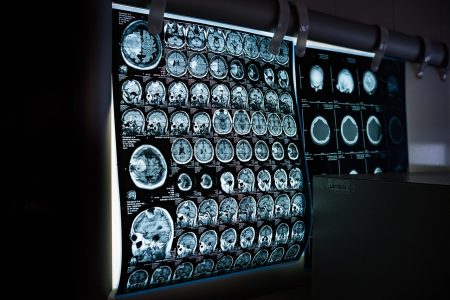
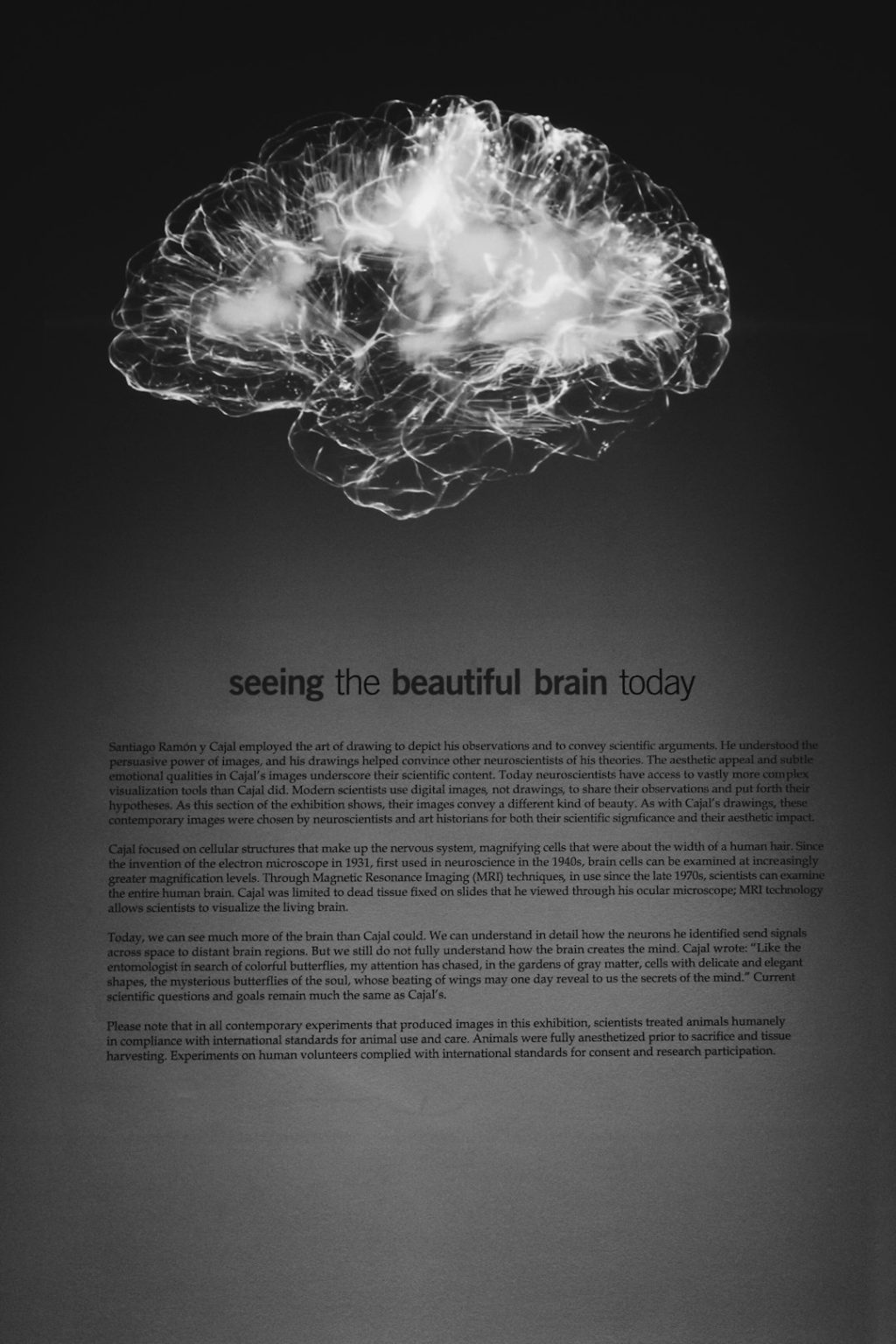
Brain scans using functional magnetic resonance imaging (fMRI) further illuminate this neural disconnect. While listening to music, individuals with musical anhedonia show reduced activity in the brain’s reward circuit — the same area that processes pleasure from food, sex, or art. Crucially, this reward system responds normally to other rewarding events, such as winning money. Josep Marco-Pallarés, a neuroscientist and author from the University of Barcelona, explains that “this lack of pleasure for music is explained by disconnectivity between the reward circuit and the auditory network — not by the functioning of their reward circuit, per se.”
Broader implications for understanding pleasure
The insights gained from studying specific musical anhedonia extend beyond just music, offering a deeper understanding of how the brain processes various forms of pleasure. Ernest Mas-Herrero, also a neuroscientist at the University of Barcelona and co-author, emphasizes that it’s not solely the engagement of the reward circuitry that matters, but “how it interacts with other brain regions that are relevant for the processing of each reward type.” This perspective suggests that pleasure isn’t merely an all-or-nothing phenomenon but exists along a complex spectrum, influenced by specific neural connections.
While the exact causes of musical anhedonia remain under investigation, both genetic predispositions and life experiences appear to play a role. A recent twin study indicated that genetics might account for up to 54% of the variations in how much people enjoy music. This highlights the inherent individual differences in reward sensitivity, even among those without a formal condition.
The methodology used to study musical anhedonia could pave the way for discovering other specific anhedonias, where individuals might lack pleasure from particular stimuli like food. Researchers are now collaborating with geneticists to pinpoint genes contributing to musical anhedonia and explore whether the condition is stable over time or can evolve throughout a person’s life, promising a richer understanding of the human experience of joy.