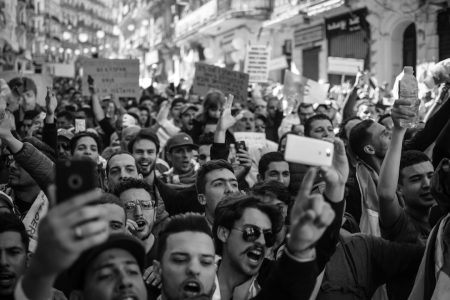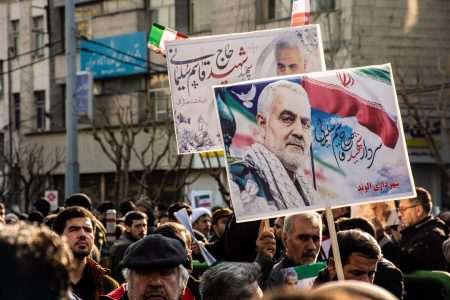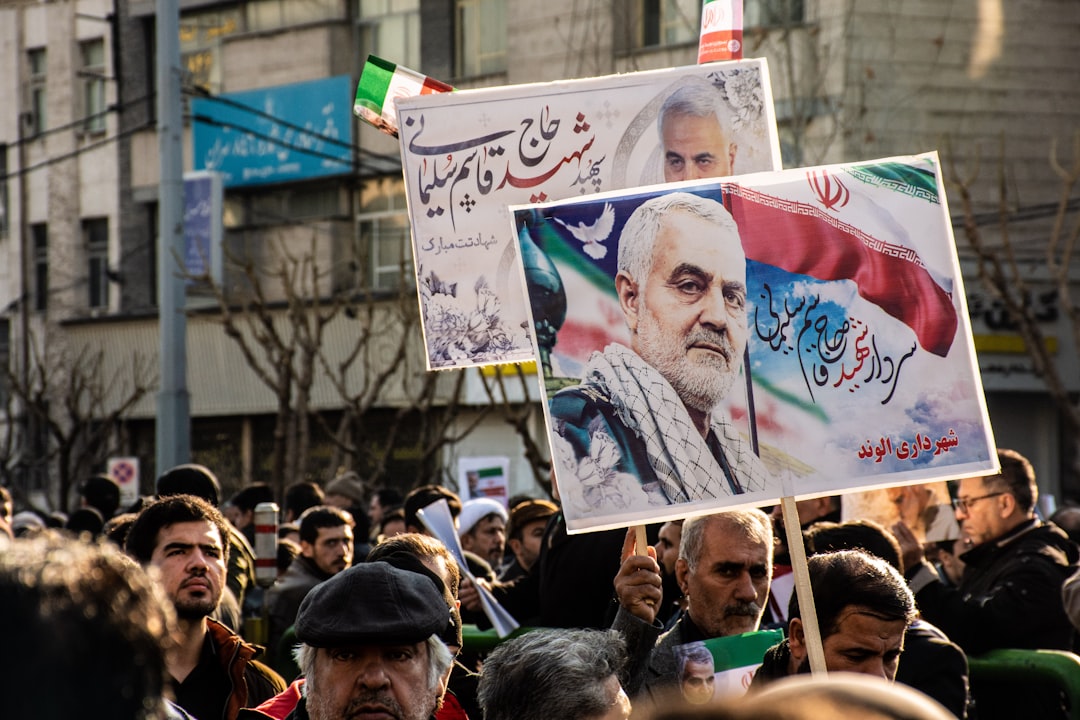
Mass protests have erupted across Iran, driven by a collapsing currency and rampant inflation, marking a distinct shift from previous waves of unrest. Unlike the swift and brutal suppression seen in 2009 and 2022, the government’s initial response to these calls for an end to the Islamic Republic has been notably cautious, raising questions about why this time is different for Iran.
The current demonstrations present a complex dilemma for Tehran’s rulers. A harsh crackdown risks unraveling the fragile truce forged with the populace after last year’s twelve-day conflict with Israel and the United States. Conversely, allowing the protests to escalate could invite unwelcome foreign intervention, further destabilizing an already volatile region.
President Masoud Pezeshkian initially responded not with force, but with promises of belt-tightening reforms aimed at freeing up funds for crucial subsidies to the poor. This strategy highlights a recognition of the deep-seated economic grievances fueling the discontent, a factor that distinguishes the current movement from its predecessors.
The evolving state response to popular dissent
Historically, the Iranian regime has met significant public uprisings with overwhelming force. The Green Movement in 2009 and the “Woman, Life, Freedom” protests of 2022 were both brutally suppressed by security forces, leading to numerous casualties and widespread arrests, as documented by various international news outlets. However, the current situation, as highlighted by Vali Nasr in a commentary for Project Syndicate, reveals a more hesitant initial approach from the authorities.
This shift suggests a calculated risk assessment by the government. The post-war “entente” with the population, achieved through a sense of national unity against external threats, is a delicate balance. A return to widespread state violence could shatter this fragile consensus, potentially igniting broader, more intractable civil unrest. The memory of recent conflicts may be shaping the regime’s current restraint.
Moreover, the nature of the current protests—primarily economic—makes them particularly potent. Unlike previous movements that had strong ideological or social justice components, these demonstrations are rooted in the daily struggles of ordinary Iranians facing severe economic hardship. This broader appeal could make a traditional crackdown far more difficult to justify or implement effectively without alienating crucial segments of society.
Economic collapse and the spectre of intervention
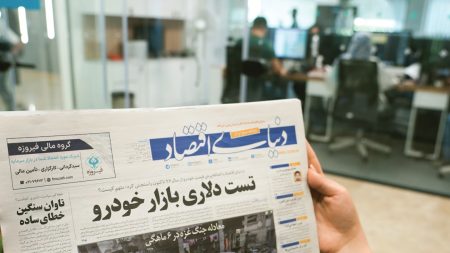
The immediate trigger for the current unrest is Iran’s dire economic situation. The national currency has plummeted in value, and inflation rates have soared, eroding the purchasing power of millions. According to a recent assessment by the International Monetary Fund, Iran faces persistent economic challenges exacerbated by sanctions and internal mismanagement, leading to a significant decline in living standards.
This economic fragility is compounded by the regime’s fear of foreign intervention. While there is no immediate indication of external military action, the leadership remains acutely aware that widespread internal instability could be exploited by adversaries. The complex geopolitical landscape, including ongoing tensions with the United States and Israel, adds another layer of caution to the government’s handling of the protests.
The current administration’s strategy, involving economic reforms and subsidies, is an attempt to address the root causes of discontent without resorting to the extreme measures that could invite international condemnation or further destabilize the nation. This delicate balancing act underscores the unique pressures facing Iran’s leadership today, differentiating it from past periods of popular dissent.
The combination of a populace exhausted by economic hardship, a leadership wary of both internal backlash and external interference, and a post-war context creates a truly distinct scenario. Whether President Pezeshkian’s reformist approach can quell the unrest, or if the protests will ultimately force a more drastic response, remains to be seen. The coming months will be critical in determining the future trajectory of the Islamic Republic amid these unprecedented challenges.