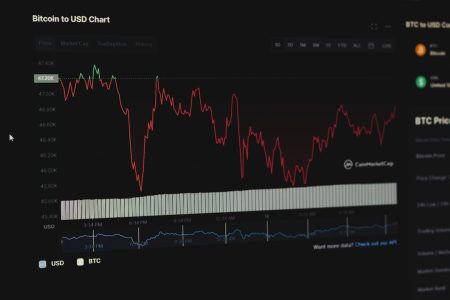

Bitcoin’s valuation has seen a significant downturn, sliding towards $91,000, as cryptocurrency markets recalibrate risk one year into the second Trump administration. This market correction, highlighted by reports such as one on The Block, reflects growing investor caution amid shifting regulatory landscapes and macroeconomic uncertainties.
The digital asset sector, known for its inherent volatility, often reacts sharply to major political shifts and economic policy changes. A year into a renewed Trump presidency, market participants are grappling with potential implications for monetary policy, inflation, and the future of digital asset regulation, creating a climate of uncertainty that impacts asset prices.
This repricing of risk is not merely a reaction to a single event but a cumulative assessment of policy signals, judicial appointments, and global trade stances that could either foster or hinder crypto adoption and innovation. Investors are closely monitoring any indications of a more stringent regulatory approach or shifts in economic stimulus strategies.
Regulatory uncertainty impacts digital assets
One of the primary drivers behind the current market sentiment is the perceived regulatory uncertainty surrounding digital assets. During previous administrations, the approach to cryptocurrencies varied, and a new term often brings a fresh perspective. Experts suggest a more conservative administration might prioritize consumer protection and financial stability, potentially leading to stricter oversight or new legislative frameworks for exchanges and decentralized finance (DeFi) protocols. This could increase compliance costs and reduce market liquidity.
According to a 2024 report by Deloitte on regulatory trends, evolving regulatory landscapes remain the top concern for financial institutions engaging with digital assets. The report emphasized the need for clear guidelines to foster innovation responsibly. Without definitive policy, market participants often resort to de-risking strategies, selling off more volatile assets like Bitcoin.
Macroeconomic shifts and investor sentiment
Beyond regulation, broader macroeconomic policies under a new administration significantly influence investor behavior in the crypto space. Discussions around interest rates, national debt, and the strength of the US dollar directly impact Bitcoin’s appeal as a hedge against inflation or a safe haven asset. A more hawkish stance on monetary policy, for example, could divert capital towards traditional assets, diminishing demand for cryptocurrencies.
Historically, periods of economic uncertainty have sometimes seen an influx into Bitcoin, yet a shift in global trade dynamics or increased geopolitical tensions can also lead to a flight to perceived safety in established fiat currencies. Data from CoinMarketCap in late 2025 showed a notable increase in stablecoin trading volumes, suggesting investors are parking capital while awaiting clearer market signals.
The current slide of Bitcoin towards $91,000 underscores the intricate interplay between political cycles, regulatory frameworks, and broad macroeconomic forces within the volatile cryptocurrency market. While the long-term trajectory of digital assets remains a subject of intense debate, the immediate future will likely be shaped by the specifics of policy implementation and the market’s continuous adaptation to these evolving conditions. Investors will need to remain agile, closely watching for clarity on regulation and economic direction.