Tether, a leading stablecoin issuer, recently introduced Scudo, a new satoshi-style micro-unit for its gold-backed XAUT token, significantly enhancing the asset’s divisibility and utility. This strategic move, reported by various financial outlets including a recent update on The Block, aims to broaden access to digital gold, allowing for smaller, more granular transactions previously impractical with whole XAUT tokens.
Historically, one XAUT token represents ownership of one troy ounce of physical gold, valued at thousands of dollars, limiting its use in everyday transactions or smaller investment increments. The introduction of Scudo directly addresses this hurdle, positioning XAUT not just as a store of value but as a more liquid medium for micro-investments and payments.
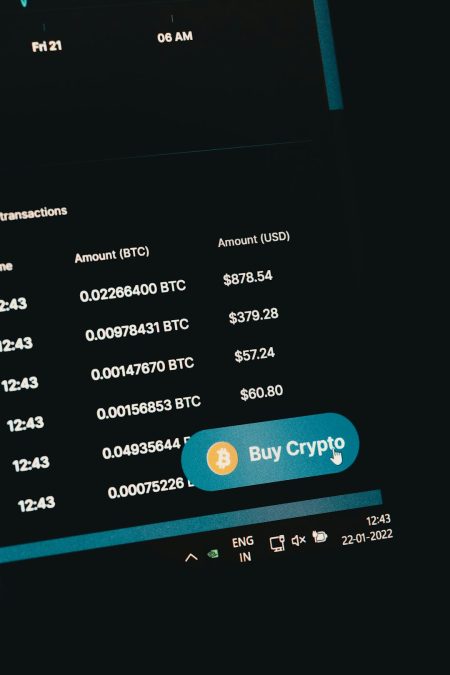
This development comes as the digital asset market increasingly seeks real-world utility and broader integration, pushing for tokens that can serve a wider array of financial needs beyond large-scale institutional holdings. The concept mirrors the Bitcoin “satoshi,” enabling fractional ownership and transactions, which has been crucial for Bitcoin’s widespread adoption.
For XAUT, this means investors can now acquire tiny fractions of a gold ounce, democratizing access to gold ownership in a digital format and potentially attracting a new segment of retail investors looking for stable, asset-backed digital holdings.
The strategic advantage of micro-units
The launch of the Tether Scudo unit is more than a technical update; it represents a significant strategic pivot towards greater market accessibility for gold-backed cryptocurrencies. By breaking down the barrier of high unit value, Tether aims to tap into markets where fractional ownership is key.
According to a recent report by the World Gold Council, retail interest in gold, especially in emerging economies, remains robust but is often constrained by high entry costs. Scudo offers a direct digital solution to this, enabling smaller, more flexible investments in gold.
This bypasses the complexities of physical storage or traditional Exchange Traded Funds (ETFs), thereby significantly expanding the potential investor base for gold as a digital asset. The move aligns with a broader trend of making valuable assets more liquid and accessible within the digital economy.
Redefining digital gold’s market footprint
This move positions XAUT to compete more effectively with other digital assets and even traditional gold investment vehicles. Analysts believe increased divisibility fosters greater liquidity and allows for the integration of gold into decentralized finance (DeFi) applications requiring fine-grained asset movements.
“Making gold divisible to such a granular level could unlock entirely new use cases, from micro-payments to complex algorithmic trading strategies,” stated Dr. Lena Khan, a blockchain economist at the Blockchain Research Institute. This shift suggests a future where digital gold is not just a hedge but a dynamic transactional asset, widening its market footprint significantly.
The introduction of the Scudo unit for Tether’s XAUT marks a pivotal moment for digital gold, potentially transforming how investors and users interact with this ancient asset class. By enhancing accessibility and utility through micro-denominations, Tether is not only solidifying XAUT’s position in the crypto ecosystem but also paving the way for broader adoption of asset-backed tokens in the global economy.
Future developments will likely focus on integrating these smaller units into more diverse financial platforms, further blurring the lines between traditional and digital finance. This ongoing evolution underscores the potential for digital assets to make established markets more inclusive and efficient, especially for commodities like gold.