Spot Bitcoin ETFs saw their largest single-day inflows in three months, injecting a substantial $750 million into digital asset markets and signaling a robust resurgence of institutional investor confidence. This significant capital influx, primarily driven by major players, underscores a pivotal shift in the cryptocurrency landscape after a period of tempered enthusiasm.
The latest surge in Bitcoin ETF inflows comes after a notable period of mixed performance following the initial excitement surrounding their approval earlier this year. Such a substantial capital injection not only validates Bitcoin’s growing acceptance as a mainstream investment vehicle but also highlights a renewed appetite among institutional investors for regulated exposure to digital assets.
These inflows are critical for several reasons: they enhance market liquidity, potentially stabilize price volatility, and signal a maturing market infrastructure. As The Block reported, this particular event marks a significant milestone, reflecting a turning tide in how traditional finance views and engages with cryptocurrencies.
Shifting institutional sentiment and market dynamics
Several factors appear to be fueling this renewed interest. Market analysts point to a combination of improving macroeconomic indicators, anticipation of potential interest rate adjustments, and Bitcoin’s inherent appeal as a hedge against inflation. For instance, data from CoinShares consistently shows a growing institutional allocation towards digital asset products, with Bitcoin leading the charge.
Specific ETF products, particularly those from major asset managers like BlackRock (IBIT) and Fidelity (FBTC), have been instrumental in attracting this capital. These funds offer institutional investors a regulated, accessible, and familiar pathway to gain exposure to Bitcoin without directly holding the cryptocurrency. This ease of access is proving crucial for broader adoption, as detailed in recent reports by Bloomberg Intelligence.
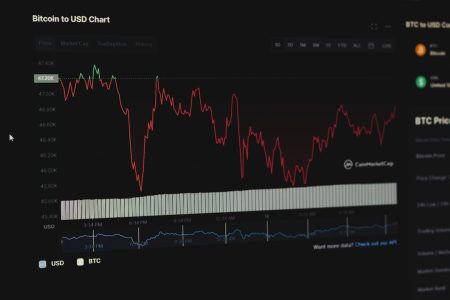
The impact on Bitcoin’s price has been immediate and positive. Following the $750 million inflow, Bitcoin’s value saw a notable uptick, reinforcing the correlation between institutional investment and market performance. This trend suggests that sustained inflows could contribute significantly to Bitcoin’s long-term price appreciation and market capitalization, solidifying its position within global finance.
The long-term implications for digital asset adoption
Beyond immediate price movements, these substantial Bitcoin ETF inflows carry profound implications for the wider digital asset ecosystem. They suggest a growing comfort level among institutional investors not just with Bitcoin, but potentially with other major cryptocurrencies and blockchain-based assets. This could pave the way for new ETF products and investment vehicles in the future, expanding the reach of digital finance.
The evolving regulatory landscape also plays a crucial role. Clearer guidelines and increased regulatory oversight, particularly in major financial jurisdictions, are building trust and reducing perceived risks for institutional capital. Experts from Grayscale Investments frequently emphasize the importance of a robust regulatory framework in fostering sustainable growth and attracting more traditional investors into the crypto space.
Looking ahead, the continued performance and growth of spot Bitcoin ETFs will be a key indicator of Bitcoin’s integration into mainstream portfolios. This latest surge in inflows is not merely a temporary spike but potentially a bellwether for a sustained period of institutional engagement, transforming digital assets from niche investments into essential components of diversified portfolios.
The $750 million single-day inflow into Bitcoin ETFs marks a definitive moment, signaling strong institutional confidence and a maturing cryptocurrency market. It underscores Bitcoin’s evolving role as a legitimate, accessible investment asset within the global financial system, setting a precedent for future capital flows and broader digital asset adoption.