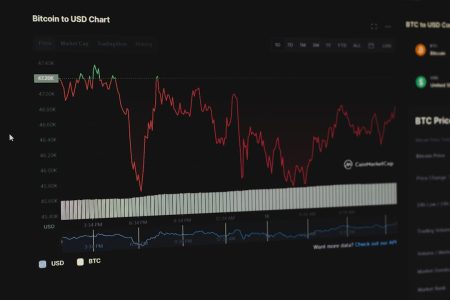

The digital asset market experienced a notable downturn as Bitcoin and Ether exchange-traded funds (ETFs) recorded a combined $713 million in outflows. This significant investor withdrawal, reported recently by The Block, underscores growing investor apprehension amid broader market volatility.
This substantial capital movement signals a cautious stance among institutional and retail investors alike, particularly concerning their exposure to the two largest cryptocurrencies. The outflows reflect a broader trend of risk aversion, impacting the nascent but rapidly expanding crypto ETF sector.
Analysts suggest that the current economic climate, marked by persistent inflation concerns and shifting monetary policies, is contributing significantly to this investor retreat. The interconnectedness of traditional finance with the digital asset space means that macro-economic pressures inevitably spill over into cryptocurrency markets, influencing investment decisions.
Understanding the market reaction to Bitcoin Ether ETF outflows
The recent Bitcoin Ether ETF outflows are not isolated events but rather symptoms of a complex interplay of factors. Rising interest rates from central banks globally, for instance, tend to make riskier assets, including cryptocurrencies, less attractive compared to more stable, fixed-income investments. This shift in capital allocation is a common response to tightened liquidity, prompting investors to seek safer havens.
According to Dr. Evelyn Reed, a senior economist at the Institute for Financial Innovation, “Investors are re-evaluating their portfolios, prioritizing capital preservation over aggressive growth in uncertain times. Crypto assets, despite their long-term potential, often bear the brunt of this immediate de-risking.” This sentiment is further exacerbated by ongoing regulatory uncertainties that continue to shadow the crypto industry in various jurisdictions, creating an environment of heightened caution.
Historical data from firms like CoinShares often shows a correlation between significant market events and shifts in digital asset fund flows. While specific triggers vary, a pattern of sensitivity to global economic indicators and regulatory pronouncements remains consistent, influencing the pace and direction of investments into crypto ETFs and reflecting broader market sentiment.
Implications for digital asset investors
For investors navigating the digital asset landscape, these Bitcoin Ether ETF outflows present both challenges and potential opportunities. Short-term price corrections often follow such significant withdrawals, creating entry points for long-term holders or those looking to average down their investment costs. However, increased volatility demands a robust risk management strategy.
The maturation of the ETF market for cryptocurrencies means that these products are becoming more integrated into traditional financial ecosystems. This integration, while offering greater accessibility, also exposes digital assets to the same market forces that impact stocks and bonds. Prudent investors are advised to monitor not just crypto-specific news but also broader economic indicators.
Looking ahead, the resilience of the Bitcoin and Ether ecosystems will be tested. While outflows can be concerning, they are also part of a healthy market cycle, flushing out speculative positions and potentially strengthening the asset base over time. The long-term trajectory of digital assets continues to hinge on technological adoption, regulatory clarity, and sustained institutional interest.