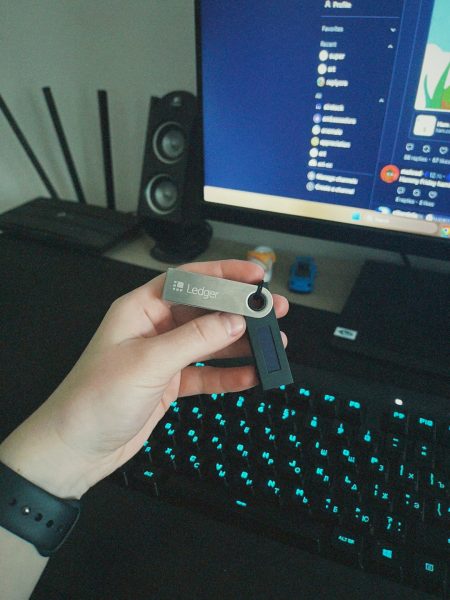
In a significant move for cryptocurrency enthusiasts, Ledger Wallet has rolled out a new Bitcoin (BTC) yield feature, enabling users to generate passive income directly from their secure hardware devices. This innovative offering stems from a strategic collaboration with Lombard and Figment, aiming to bridge the gap between secure asset storage and earning potential within the digital asset ecosystem.
The integration marks a pivotal moment for hardware wallet users, who traditionally prioritize security above all else, often at the expense of yield opportunities. By facilitating access to yield-generating protocols from within the Ledger Live environment, the company is responding to a growing demand for sophisticated financial services in the crypto space. This development, first reported by The Block on January 14, 2026, positions Ledger at the forefront of combining high-grade security with financial utility.
This initiative reflects a broader trend in the digital finance sector, where institutions are exploring new avenues to offer competitive returns on crypto assets. The partnership with established entities like Lombard and Figment underscores Ledger’s commitment to delivering reliable and verified services, crucial for user trust in a volatile market.
Understanding the Ledger BTC yield mechanism
The core of the Ledger BTC yield feature lies in its ability to connect users’ Bitcoin holdings, securely stored on their Ledger hardware wallets, with external yield-generating protocols. Figment, a leading staking and Web3 infrastructure provider, is instrumental in facilitating the underlying technology that enables these returns. Their expertise ensures robust and efficient access to various decentralized finance (DeFi) opportunities.
Lombard, on the other hand, likely plays a critical role in the institutional-grade custody or financial structuring of these yield products. This collaboration aims to provide a layer of institutional credibility and compliance, which is often a concern for users engaging with DeFi protocols directly. The integration within Ledger Live ensures that users retain full control over their private keys, a fundamental principle of hardware wallet security, while participating in these earning programs.
According to a recent report by CoinDesk, the demand for secure yield products on Bitcoin has surged, as investors seek ways to maximize their holdings beyond simple price appreciation. This partnership directly addresses that need, offering a streamlined and protected pathway to passive income for BTC holders.
Balancing security and earning potential
The introduction of Ledger BTC yield represents a delicate balance between security and the pursuit of financial gains. Hardware wallets are renowned for their robust protection against cyber threats, largely due to their offline key storage. Integrating yield features inevitably introduces a degree of interaction with online protocols, which historically carries inherent risks.
Ledger mitigates these risks by carefully vetting its partners and integrating services in a way that minimizes exposure. Users typically approve transactions directly on their hardware device, ensuring that private keys never leave the secure element. This design philosophy is critical for maintaining the trust Ledger has built within the crypto community. A 2023 Chainalysis study on crypto security highlighted that user education and secure integration are paramount for the safe adoption of new financial products in the digital asset space.
While no financial endeavor is entirely risk-free, Ledger’s approach aims to provide a highly secure environment for users to explore earning opportunities on their Bitcoin. This feature broadens the utility of hardware wallets, moving them beyond mere storage solutions to active participants in the evolving crypto economy.
The launch of Ledger’s BTC yield feature, powered by Lombard and Figment, signifies a maturation of the crypto market. It demonstrates a growing sophistication in how users can interact with their digital assets, offering a blend of security and financial opportunity previously unavailable to hardware wallet users. This innovation is likely to set a new standard for cold storage solutions, encouraging broader adoption of secure, yield-generating crypto products.