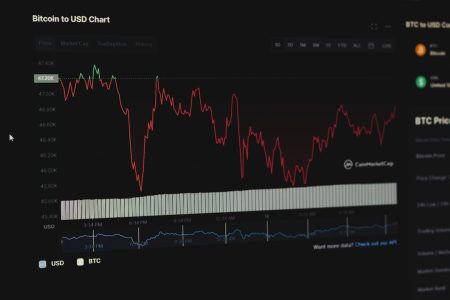

Morgan Stanley has officially filed for spot exchange-traded funds (ETFs) for both Bitcoin and Solana, marking a significant move into the digital asset space as institutional inflows are projected to surge into 2026, as reported by The Block (www.theblock.co).
This development signals a deepening integration of cryptocurrencies into traditional finance. The filings underscore a growing appetite among major financial institutions to offer direct exposure to leading digital assets for their clients, reflecting a strategic pivot towards innovation.
Analysts view these filings as a strong indicator of mainstream validation for Bitcoin and Solana. The expectation of inflows entering 2026 “like a lion” suggests a robust market outlook, driven by increasing institutional confidence and evolving regulatory clarity.
The expanding institutional landscape for crypto
Morgan Stanley’s entry into the spot ETF market for Bitcoin and Solana is a watershed moment, following similar moves by other financial giants. This trend reflects a broader shift in how Wall Street perceives digital assets, moving them from speculative curiosities to legitimate investment vehicles. The approval of spot Bitcoin ETFs earlier this year paved the way for this institutional embrace, offering regulated access to the underlying asset.
Industry experts have consistently highlighted the potential for significant institutional capital influx into crypto. These new products from Morgan Stanley are designed to meet this demand, providing a familiar and regulated structure for traditional investors. The move also signals increased confidence in the regulatory environment surrounding cryptocurrencies, particularly in the United States.
Data from financial analytics firms indicates a steady increase in institutional interest. A recent report by CoinShares detailed record inflows into digital asset investment products during the latter half of the previous year, setting the stage for the projected “lion-like” surge into 2026. This sustained interest suggests a long-term commitment rather than short-term speculation. More details can be found in a recent CoinShares report on digital asset inflows.
The Securities and Exchange Commission (SEC) has gradually shown a more accommodating stance towards crypto-related financial products, particularly spot ETFs. This regulatory evolution is crucial for firms like Morgan Stanley to confidently launch such offerings, providing a clearer framework for compliance and investor protection. For context on regulatory developments, visit the SEC’s official guidance pages.
Bitcoin and Solana: Drivers of the next wave
Bitcoin, as the pioneering cryptocurrency, continues to anchor the institutional market. Its finite supply and established network security appeal to investors seeking a store of value and a hedge against inflation. The introduction of a spot Bitcoin ETF by Morgan Stanley further solidifies its position as a macro asset, accessible through traditional brokerage accounts, reducing barriers to entry for a wide array of investors.
Solana, on the other hand, represents the high-performance blockchain sector, gaining traction for its speed, scalability, and low transaction costs. Its growing ecosystem of decentralized applications (dApps) and non-fungible tokens (NFTs) makes it an attractive asset for those looking beyond Bitcoin’s primary use case. A spot Solana ETF offers investors a regulated pathway to participate in this rapidly expanding segment of the crypto market. You can explore the Solana ecosystem for more information.
The strategic choice of these two assets by Morgan Stanley reflects their distinct yet complementary roles in the digital economy. Bitcoin provides stability and a proven track record, while Solana offers exposure to innovation and growth potential in smart contract platforms. This dual approach caters to a broader spectrum of investment mandates within their client base, from conservative long-term holdings to growth-oriented portfolios.
Market analysts at major financial news outlets, such as Reuters, have been closely tracking the performance and adoption curves of both Bitcoin and Solana. Their insights often highlight the increasing correlation between traditional financial markets and the crypto space, indicating a maturing asset class. For general market trends, see Reuters financial markets coverage.
The filings by Morgan Stanley for spot Bitcoin and Solana ETFs are more than just new financial products; they represent a powerful validation of the cryptocurrency market’s maturity and its undeniable integration into the global financial system. As 2026 unfolds, the projected influx of institutional capital will likely reshape market dynamics, fostering greater stability and broader adoption for digital assets across the investment landscape.