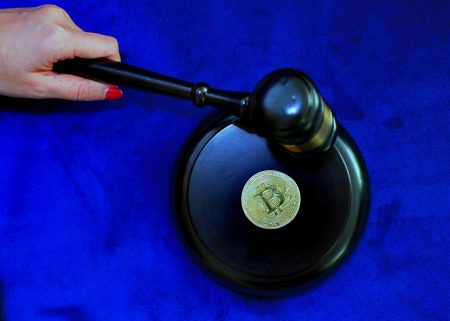
Portuguese authorities have ordered the immediate blocking of Polymarket, a prominent decentralized prediction market platform, following an unprecedented surge in bets related to national election results before their official announcement. This decisive action, reported by outlets like The Block, highlights growing concerns over the intersection of unregulated online betting and the integrity of democratic processes.
The move by Portugal’s regulatory bodies comes at a critical juncture, as the nation grapples with the complexities of digital finance and the burgeoning popularity of crypto-based platforms. Prediction markets, while often touted for their information aggregation potential, operate in a legal gray area in many jurisdictions, particularly when dealing with sensitive events like political elections.
This incident with the Polymarket Portugal block is not isolated; it echoes a broader global debate about regulating nascent technologies that blur lines between financial speculation, entertainment, and information sharing. Regulators worldwide struggle to keep pace with DeFi innovation, leading to reactive measures when perceived risks escalate.
The rise of prediction markets and regulatory challenges
Prediction markets like Polymarket allow users to bet on the outcome of future events, from political elections to economic indicators, using cryptocurrency. Proponents argue these platforms offer valuable insights, acting as real-time aggregators of collective wisdom. However, their decentralized nature makes them difficult to monitor, raising red flags for consumer protection and market manipulation.
In Portugal, existing gambling laws are stringent, but their application to decentralized platforms operating across borders remains ambiguous. The country’s gambling regulator, Serviço de Regulação e Inspeção de Jogos (SRIJ), likely acted under broad powers to protect public interest, given the sensitive nature of election integrity. This preemptive strike aims to prevent potential undue influence or manipulation of public perception before official results are known.
A recent report by the European Central Bank on digital currencies highlighted the increasing need for harmonized regulatory frameworks across the EU. “The lack of clear guidelines for DeFi platforms creates vulnerabilities national authorities address piecemeal,” notes Dr. Sofia Almeida, a legal expert at the University of Lisbon. “This fragmented approach leads to inconsistent enforcement.”
Implications for decentralized finance and future oversight
The blocking of Polymarket in Portugal sends a strong signal to the broader decentralized finance (DeFi) ecosystem. It underscores that national regulators are prepared to take swift action against platforms perceived to operate outside legal boundaries, even if they are decentralized. This incident could prompt other European nations to re-evaluate their stance on prediction markets, especially concerning politically sensitive events.
For users, the immediate consequence is restricted access, but the long-term impact could be a chilling effect on innovation within the DeFi space. Developers might become more cautious about launching platforms that could be deemed gambling or financial instruments requiring licensing. The challenge for regulators is to foster innovation while safeguarding public interest without stifling the potential benefits of these new technologies.
Experts suggest a more collaborative approach between regulators and the DeFi community is essential. “Instead of outright bans, we need dialogue to establish clear regulatory sandboxes and guidelines,” argues João Santos, a blockchain policy analyst in Brussels, to a financial news outlet. “This would allow controlled experimentation and help bridge the gap.” The Polymarket Portugal block serves as a stark reminder of this tension.
As Portugal navigates this complex regulatory landscape, the incident with Polymarket highlights the urgent need for a cohesive global strategy for decentralized platforms. The balance between protecting citizens, ensuring market integrity, and fostering technological innovation remains a delicate act. Future developments will likely involve more nuanced approaches, potentially leading to specific legislation for prediction markets or clearer integration into existing financial regulations.