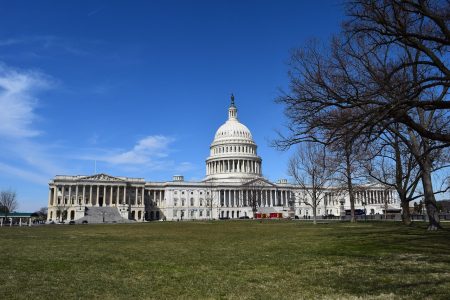

The U.S. Senate has introduced an updated market structure bill, aiming to restrict rewards offered on idle stablecoin holdings, a move that could significantly reshape the digital asset landscape and consumer incentives. This legislative effort, reported by www.theblock.co on January 13, 2026, signals a growing focus on investor protection and financial stability within the evolving cryptocurrency sector.
The proposed legislation seeks to categorize certain stablecoin activities more clearly, particularly those involving yield generation. Lawmakers are increasingly concerned about the potential risks associated with high stablecoin rewards, which often resemble traditional banking interest but operate outside established regulatory frameworks.
This initiative follows persistent calls from financial watchdogs for comprehensive digital asset regulation. The bill’s introduction reflects a bipartisan push to bring greater clarity and oversight to a market segment that has seen rapid growth but also significant volatility and investor losses in recent years.
The rationale behind limiting stablecoin rewards
The core motivation behind this bill is to mitigate systemic risk and protect retail investors. Unregulated platforms offering attractive stablecoin rewards on deposited assets have drawn scrutiny from regulators, who argue these products can create vulnerabilities similar to those seen in traditional financial crises.
Senator Cynthia Lummis (R-WY), a known advocate for thoughtful crypto legislation, commented on the proposal. “Our goal is to foster innovation while ensuring consumer safety,” she stated, highlighting the need for clear distinctions between legitimate utility and potentially misleading investment products.
A recent report from the Treasury Department underscored the potential for stablecoins to destabilize financial markets if not properly managed, particularly concerning their liquidity and redemption mechanisms. This legislative move aligns with broader efforts to integrate digital assets into the existing financial system responsibly.
Critics of high stablecoin yields often point to the opaque nature of how these rewards are generated, frequently involving lending or rehypothecation practices that lack transparency. The new bill aims to address these structural issues directly.
Market implications and industry response
Limiting stablecoin rewards on idle holdings could significantly impact the business models of many decentralized finance (DeFi) platforms and centralized crypto exchanges. These entities often rely on offering competitive yields to attract and retain users, thereby increasing their liquidity and market share.
Analysts at JPMorgan Chase & Co. project that platforms offering yield on stablecoins might need to pivot their strategies, potentially focusing on fee-based services or alternative revenue streams. This shift could lead to a more mature, but possibly less dynamic, stablecoin market.
Industry bodies, such as the Chamber of Digital Commerce, have expressed a desire for a balanced approach. “While we support responsible regulation, it’s crucial that new laws don’t stifle innovation or disadvantage U.S. companies against international competitors,” noted a spokesperson.
This statement emphasizes the need for regulatory clarity over outright prohibition, seeking to foster innovation while ensuring fair competition.
The bill’s passage could also influence institutional adoption of stablecoins, as greater regulatory certainty might attract more traditional financial players. However, a reduction in yield opportunities could make stablecoins less attractive as an investment vehicle for some.
Looking ahead, the debate surrounding stablecoin regulation is far from over. This Senate bill represents a significant step towards defining the legal and operational boundaries for digital assets in the U.S. It underscores a regulatory trend favoring transparency and consumer protection over unchecked growth.
The outcome will likely shape how stablecoins are perceived and utilized, pushing the industry towards models that prioritize compliance and stability. Future legislative sessions will undoubtedly see continued discussions on how best to balance innovation with systemic safeguards in the rapidly evolving digital economy.