
Leaders within the Senate Judiciary Committee are voicing significant concerns over proposed crypto legislation, advocating strongly for provisions that would explicitly protect noncustodial software developers. This pushback highlights a growing tension between fostering technological innovation and establishing regulatory frameworks for the burgeoning digital asset space.
The debate centers on how new laws might inadvertently criminalize or impose undue liability on creators of decentralized protocols, rather than focusing on entities that handle user funds. This stance from a pivotal committee underscores the complexity of regulating an industry built on open-source principles and distributed networks.
Recent discussions in Washington, as reported by outlets including The Block, indicate that lawmakers recognize the need for clear distinctions. They aim to prevent broad legislation from stifling the development of blockchain technology, which many see as crucial for future economic growth.
The core of the legal debate
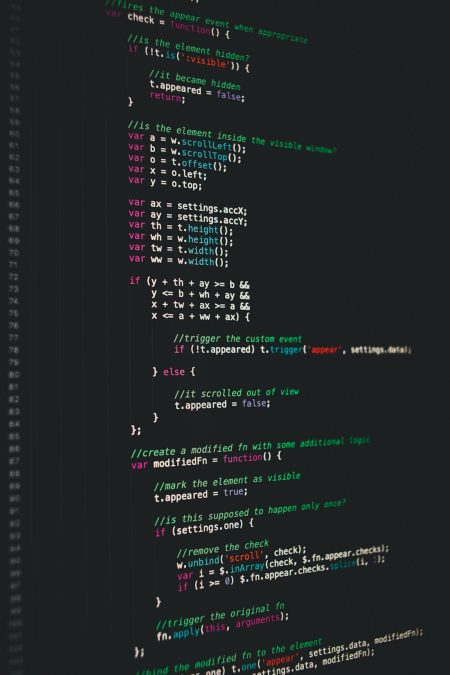
At the heart of the committee’s concerns is the potential for current legislative proposals to misclassify noncustodial software developers. These developers build tools and protocols, often open-source, that users interact with directly, without an intermediary holding their assets. Classifying them as money transmitters or financial institutions could expose them to stringent regulations designed for centralized entities.
Senator Mike Lee (R-UT), a prominent member of the committee, has previously emphasized the importance of distinguishing between creators of code and those who provide custodial services. He argues that applying banking regulations to software developers would be akin to regulating the creators of web browsers as if they were banks, a point echoed by various industry groups.
Legal experts, such as those from the Electronic Frontier Foundation, often highlight the constitutional implications of such broad definitions, particularly concerning free speech and the right to publish code. They argue that code is speech, and its development should not be unduly restricted unless directly tied to illegal activity or financial intermediation.
This pushback aims to ensure that any forthcoming crypto legislation software developers remain free to innovate. It prevents them from facing legal repercussions simply for creating decentralized tools. The distinction is critical for the growth of decentralized finance (DeFi) and other blockchain applications.
Balancing innovation and risk management
The Senate Judiciary Committee’s stance reflects a broader challenge facing lawmakers globally: how to regulate emerging technologies without stifling their potential. While there is a consensus on the need to protect consumers and prevent illicit activities, the methods for achieving these goals in the crypto space vary widely.
Advocates for robust developer protections argue that an overly broad regulatory net could drive innovation offshore, hindering the United States’ competitiveness in the digital economy. They point to the benefits of open-source development, which allows for public scrutiny and continuous improvement of security features. A report by the Brookings Institution in 2023 highlighted the importance of regulatory clarity for technological advancement, a sentiment echoed in recent hearings of the Senate Judiciary Committee.
Conversely, some lawmakers and regulatory bodies express concerns about potential loopholes that could be exploited by bad actors. They argue that even noncustodial software can facilitate illicit transactions, making a degree of oversight necessary. Striking the right balance is paramount to the long-term viability and mainstream adoption of digital assets.
The committee’s intervention seeks to refine the legislative approach, ensuring that noncustodial software protection becomes a cornerstone of future regulatory frameworks. This move could set a precedent for how governments approach the regulation of decentralized technologies.
The pushback from Senate Judiciary Committee leaders underscores a critical inflection point in the regulation of cryptocurrencies. By prioritizing the protection of noncustodial software developers, these lawmakers are advocating for a nuanced approach that differentiates between code creators and financial intermediaries. This could pave the way for more targeted and effective crypto legislation, one that supports innovation while addressing legitimate concerns.
The outcome of these legislative debates will significantly influence the future trajectory of blockchain technology and decentralized finance in the United States. It will determine whether the nation fosters an environment where open-source development can thrive or faces the risk of stifling a vital sector of the digital economy.