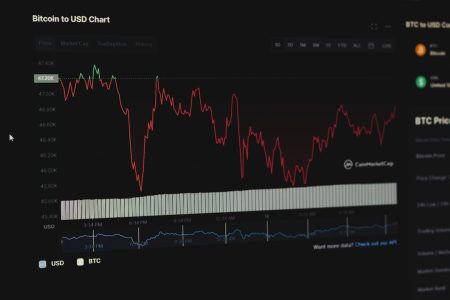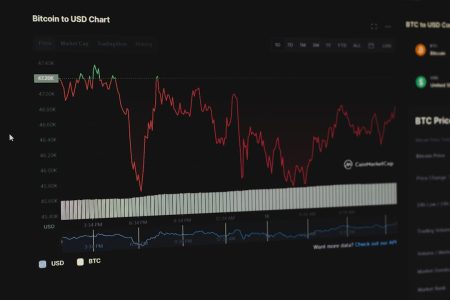
Spot bitcoin ETFs have experienced a significant shift in investor activity, recording $243 million in net outflows over recent trading sessions, marking a notable reversal from their initial strong performance. This downturn, primarily observed over recent trading days, signals a potential recalibration of investor sentiment in the nascent digital asset market, as reported by various market analytics firms, including a recent observation from theblock.co.
The introduction of spot bitcoin ETFs in early 2026 was met with considerable enthusiasm, promising broader access to Bitcoin for institutional and retail investors alike. These instruments were hailed as a bridge between traditional finance and the burgeoning cryptocurrency ecosystem, attracting billions in inflows during their initial weeks.
However, the recent negative flow suggests that the initial wave of demand may be subsiding, or that other market forces are now taking precedence. This shift is crucial for understanding the evolving maturity of digital asset investment products and their integration into mainstream portfolios.
Understanding the forces behind the negative trend
Several factors likely contribute to the recent negative flows in spot bitcoin ETFs. One primary driver identified by market analysts is profit-taking. Many early investors who entered positions during the initial launch, or even before through converted trusts, are now cashing out gains after a period of significant price appreciation for Bitcoin.
A notable contributor to these outflows has been the ongoing rebalancing from the Grayscale Bitcoin Trust (GBTC). As GBTC converted into a spot ETF, many investors opted to move their capital to other, often newer, spot bitcoin ETFs with lower fees or to exit their positions entirely. According to data compiled by Bloomberg Intelligence, GBTC alone has accounted for a substantial portion of the total outflows across all spot bitcoin ETFs, as legacy investors adjust their holdings.
Furthermore, broader sentiment in the cryptocurrency market might be playing a role. While Bitcoin has shown resilience, periods of heightened volatility or macroeconomic uncertainty can lead investors to de-risk their portfolios, moving away from more speculative assets. “This isn’t necessarily a bearish signal for Bitcoin long-term, but rather a natural market adjustment,” explains Sarah Chen, a senior analyst at Digital Asset Research. “After an initial surge, some consolidation and profit-taking are expected as the market finds its equilibrium.”
Investor sentiment and market implications
The shift to negative flows in spot bitcoin ETFs raises questions about sustained institutional interest and the product’s long-term trajectory. While the initial demand demonstrated a clear appetite for regulated Bitcoin exposure, the current trend suggests a more nuanced investor base that is sensitive to market conditions, fees, and alternative investment opportunities.
These outflows could exert downward pressure on Bitcoin’s price in the short term, as ETF providers sell underlying Bitcoin to meet redemption requests. However, it also reflects a maturation of the market. Investors are becoming more sophisticated in their approach to digital assets, evaluating performance, fees, and diversification strategies more critically. The competition among spot bitcoin ETF providers is also intensifying, potentially leading to further fee reductions and product innovation.
The recent $243 million outflow from spot bitcoin ETFs, while significant, should be viewed within the broader context of a maturing market for digital asset investment products. It underscores the dynamic nature of cryptocurrency investments and the continuous interplay between market sentiment, profit-taking, and broader economic factors. As the market evolves, these ETFs will likely continue to be a key indicator of mainstream adoption and investor confidence in Bitcoin.