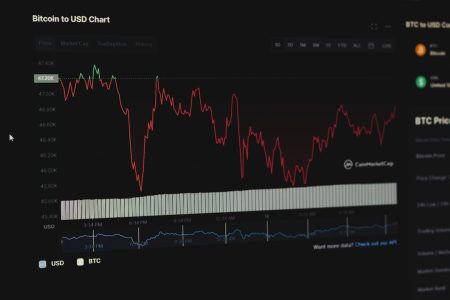
The spot bitcoin ETFs experienced their strongest week of inflows since October, attracting a significant $1.4 billion as investor confidence in digital assets continues to solidify. This surge highlights a pivotal moment for mainstream crypto adoption, signaling robust institutional and retail interest in regulated bitcoin investment products.
The influx of capital, as reported by outlets like The Block, underscores the growing acceptance of bitcoin as a legitimate asset class within traditional financial portfolios. Following their approval earlier this year, these exchange-traded funds have rapidly become a preferred gateway for investors seeking exposure to the volatile yet promising cryptocurrency market without directly holding the underlying asset.
This recent momentum suggests a maturing market, moving past initial skepticism and demonstrating a clear appetite for accessible investment vehicles. The sustained demand for spot bitcoin ETFs could reshape investment strategies, particularly as financial advisors increasingly consider digital assets for diversification and long-term growth potential.
Driving forces behind the spot bitcoin ETF rally
The remarkable $1.4 billion inflow into spot bitcoin ETFs during the past week reflects a confluence of market dynamics and evolving investor sentiment. A primary driver is the increasing institutional validation of bitcoin, with major financial players now offering these products, lending credibility to the asset.
This has opened doors for pension funds, endowments, and wealth managers to integrate bitcoin into their portfolios, often through these regulated ETF structures. Moreover, the anticipation surrounding the upcoming Bitcoin halving event, expected later this year, is likely fueling speculative interest.
Historically, halving events, which reduce the supply of new bitcoins, have preceded significant price rallies. Investors are positioning themselves to capitalize on potential future appreciation, viewing current prices as an opportune entry point.
Economic uncertainties also play a role, as some investors seek alternatives to traditional safe-haven assets. Bitcoin’s perceived store-of-value properties, often dubbed “digital gold,” attract those looking to hedge against inflation or currency devaluation.
The ease of trading offered by ETFs further lowers the barrier to entry, drawing in a broader spectrum of investors. MicroStrategy’s continued bitcoin accumulation, for instance, serves as a strong corporate endorsement, influencing other companies and high-net-worth individuals.
Their public commitment to bitcoin as a treasury reserve asset demonstrates a long-term conviction that resonates with the market. This corporate confidence helps to de-risk the asset in the eyes of more conservative investors.
Reports from market analysis firms like CoinShares consistently show a pattern of capital rotation into digital asset products, with bitcoin leading the charge. Their recent Digital Asset Fund Flows Report indicated substantial inflows across various products, confirming the broader trend of investor appetite for cryptocurrencies.
This sustained interest suggests that the recent ETF inflows are not an isolated event but part of a larger, ongoing shift. Regulatory clarity, albeit still evolving globally, has also contributed to this positive sentiment.
The approval of spot bitcoin ETFs in the U.S. marked a significant regulatory milestone, providing a framework that instills greater trust and confidence among investors. This clarity reduces perceived risks associated with the asset class, making it more attractive for conservative capital.
The evolving landscape of digital asset investment
The robust performance of spot bitcoin ETFs signals a fundamental shift in how digital assets are perceived and accessed within the global financial system. These products bridge the gap between traditional finance and the nascent cryptocurrency market, offering a regulated, liquid, and familiar investment vehicle.
This integration is crucial for the long-term maturation of the crypto ecosystem. The convenience and security offered by ETFs are undeniable. Investors no longer need to navigate complex crypto exchanges, manage private keys, or worry about the security of their digital wallets.
Instead, they can buy and sell shares of an ETF through their existing brokerage accounts, simplifying the investment process significantly. This accessibility is attracting a new wave of investors who previously shied away from direct crypto exposure.
According to a recent report by Ark Invest and Cathie Wood, institutional adoption of bitcoin is still in its early stages but accelerating. The report highlights that while retail investors have historically driven much of the crypto market, institutional capital is now playing an increasingly dominant role, particularly through vehicles like ETFs.
This trend is expected to continue, further legitimizing bitcoin as an investable asset. The market has also seen a dynamic interplay between new spot ETFs and older products, notably Grayscale’s Bitcoin Trust (GBTC).
While new ETFs like BlackRock’s IBIT and Fidelity’s FBTC have seen significant inflows, GBTC has experienced outflows as investors move to lower-fee options. This competitive environment is beneficial for investors, driving down costs and improving product offerings across the board.
This evolving landscape suggests that digital assets are no longer a fringe investment but an integral part of modern financial planning. As more financial advisors become educated on these products, and as regulatory frameworks continue to solidify, the integration of bitcoin and other cryptocurrencies into mainstream portfolios will likely accelerate, paving the way for broader adoption.
The substantial $1.4 billion inflow into spot bitcoin ETFs marks a significant milestone, cementing their role as a critical conduit for mainstream investment into digital assets. This trend underscores a maturing market where regulated products are increasingly preferred, offering a blend of accessibility and security that resonates with a diverse investor base.
As the digital asset space continues to evolve, these ETFs are poised to play an even greater role in shaping investment strategies and solidifying bitcoin’s position in the global financial landscape. For more insights, follow market trends on Bloomberg Crypto.