
The highly anticipated launch of Trove Markets’ native token has spiraled into a significant crisis, with its value plummeting dramatically shortly after hitting exchanges. This deepening fallout from Trove Markets has sent palpable shockwaves across the decentralized finance (DeFi) ecosystem, leaving early investors facing substantial losses as of early 2026.
Initially hailed as a promising new platform for innovative financial instruments, Trove Markets attracted considerable capital and attention during its pre-launch phases. Its rapid decline underscores the inherent volatility and risks prevalent within the burgeoning crypto landscape, particularly for projects fresh out of the gate.
This incident is not merely an isolated market correction; it highlights critical vulnerabilities in project design, tokenomics, and the often-unregulated environment where such ventures operate. The sudden collapse raises urgent questions about the due diligence processes undertaken by investors and the broader stability of new DeFi protocols.
The anatomy of a post-launch collapse
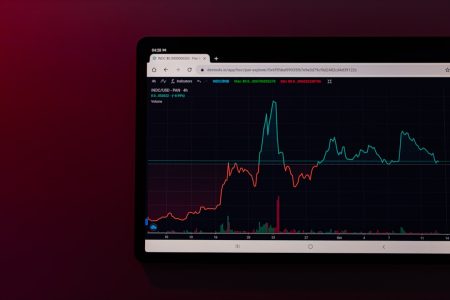
The token’s crash was swift and severe, reportedly losing over 90% of its value within days of its public listing. Data from various analytics platforms, including reports from outlets like The Block in January 2026, confirm the rapid depreciation.
This catastrophic drop was triggered by a combination of factors, including concentrated selling pressure from large holders and a lack of immediate liquidity support.
Observers point to potential flaws in Trove Markets’ token distribution model, which may have allowed a few early participants to control a significant portion of the supply. Such concentration can lead to market manipulation and exacerbate price volatility, especially in nascent markets with limited trading depth.
Furthermore, technical issues or unforeseen vulnerabilities in the protocol’s smart contracts could have contributed to the crisis. While specific details remain under wraps by the development team, the absence of a clear, immediate communication strategy has only fueled speculation and investor panic.
This lack of clarity has compounded the inherent risks in DeFi, making it difficult for investors to assess the true extent of the damage or potential recovery pathways.
Investor trust and regulatory scrutiny
The Trove Markets’ debacle serves as a stark reminder of the fragile nature of investor trust in the DeFi space. Each high-profile failure chips away at the collective confidence, making it harder for legitimate projects to gain traction. Many investors are now demanding greater transparency from development teams regarding token allocation, lock-up periods, and project roadmaps.
This incident also intensifies the ongoing debate around regulatory oversight for decentralized platforms. Global financial bodies and governments are increasingly scrutinizing the crypto sector, driven by concerns over consumer protection and market integrity. The lack of clear accountability in many DeFi projects presents a significant challenge for existing regulatory frameworks.
According to a recent report by Chainalysis, over $3.7 billion was lost to crypto scams and hacks in 2022, with similar patterns observed in subsequent years, highlighting the constant threat of malicious actors and poorly designed projects.
“The Trove Markets situation underscores the urgent need for self-regulation within the DeFi community, alongside more robust technical audits,” states Dr. Anya Sharma, a blockchain economist at the University of Cambridge, in a recent interview with Bloomberg.
The future of DeFi depends heavily on its ability to build resilient, transparent, and secure protocols that can withstand market pressures and restore investor confidence. Without these fundamental improvements, incidents like the Trove Markets token crash will continue to hinder the widespread adoption and institutional acceptance of decentralized finance.
This event is a sobering lesson for both developers and investors, emphasizing the critical importance of rigorous due diligence and a cautious approach to high-risk, high-reward ventures. The industry must evolve beyond the hype cycles to foster genuine innovation built on trust and sustainable economic models.