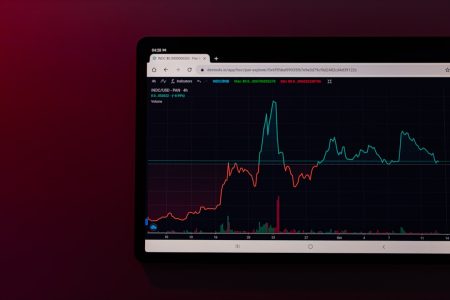
Ethereum’s network is experiencing an unprecedented surge in daily transactions, reaching all-time highs as gas fees simultaneously fall to record lows. This remarkable confluence of events signals a pivotal moment for the blockchain, making its vast ecosystem more accessible and economically viable for a broader user base than ever before.
The inverse relationship between transaction volume and cost highlights the network’s increasing efficiency and scalability, a long-sought goal for the second-largest cryptocurrency. This shift is not merely a fleeting market trend but reflects fundamental improvements and growing adoption across decentralized finance (DeFi), NFTs, and various decentralized applications (dApps).
Industry observers, including reports from outlets like The Block, have noted this significant uptick in activity, underscoring a period of robust growth. The sustained low fees encourage more frequent interactions with smart contracts and layer-2 solutions, further solidifying Ethereum’s position as a foundational layer for the digital economy.
The drivers behind Ethereum’s transaction boom
Several factors contribute to the escalating number of Ethereum daily transactions. A primary driver is the maturation and expansion of layer-2 scaling solutions such as Arbitrum, Optimism, and Polygon. These networks process a significant volume of transactions off the main Ethereum chain, bundling them into single, cheaper transactions on Layer 1.
The Dencun upgrade, implemented in March 2024, played a crucial role by significantly reducing transaction costs on these layer-2 networks. This made interacting with dApps and executing trades far more affordable for the average user, a trend evident in transaction data compiled by platforms like Etherscan.
Furthermore, the consistent innovation within the DeFi space and the ongoing utility of NFTs continue to attract new users and developers. Projects are finding it more feasible to build and operate on Ethereum and its associated scaling layers when the cost of entry and interaction remains low, fostering a vibrant ecosystem.
Implications of declining gas fees
The sustained decline in gas fees has profound implications for Ethereum’s future and its competitive landscape. Cheaper transactions lower the barrier to entry for everyday users, democratizing access to financial services and digital ownership previously hindered by prohibitive costs. This boosts user engagement across the board.
Analysts at CoinGecko highlight that this affordability makes Ethereum a more attractive platform for enterprises and developers considering blockchain integration. It enables more complex smart contract interactions and microtransactions that were previously economically unviable, unlocking new use cases.
Moreover, the reduced cost strengthens Ethereum’s competitive edge against other Layer 1 blockchains. While alternatives often boast lower fees, Ethereum’s robust security, decentralization, and vast developer ecosystem, combined with newfound affordability, present a compelling package. This could lead to a recapture of market share or prevent further fragmentation.
The current landscape of surging Ethereum daily transactions amidst falling gas fees paints a promising picture for the network’s long-term sustainability and growth. As scaling solutions mature and future upgrades are implemented, Ethereum is poised to further enhance its position as the leading platform for decentralized applications.
This trend suggests a future where blockchain technology is not just for early adopters or large institutions but becomes a seamless and cost-effective part of everyday digital interactions. The challenge now lies in maintaining this balance of high utility and low cost as the network continues to scale and innovate.